- Have any questions?
- +92 051 2717932
- info@geese.org.pk
Projects in : Economic Empowerment & Livelihood Development
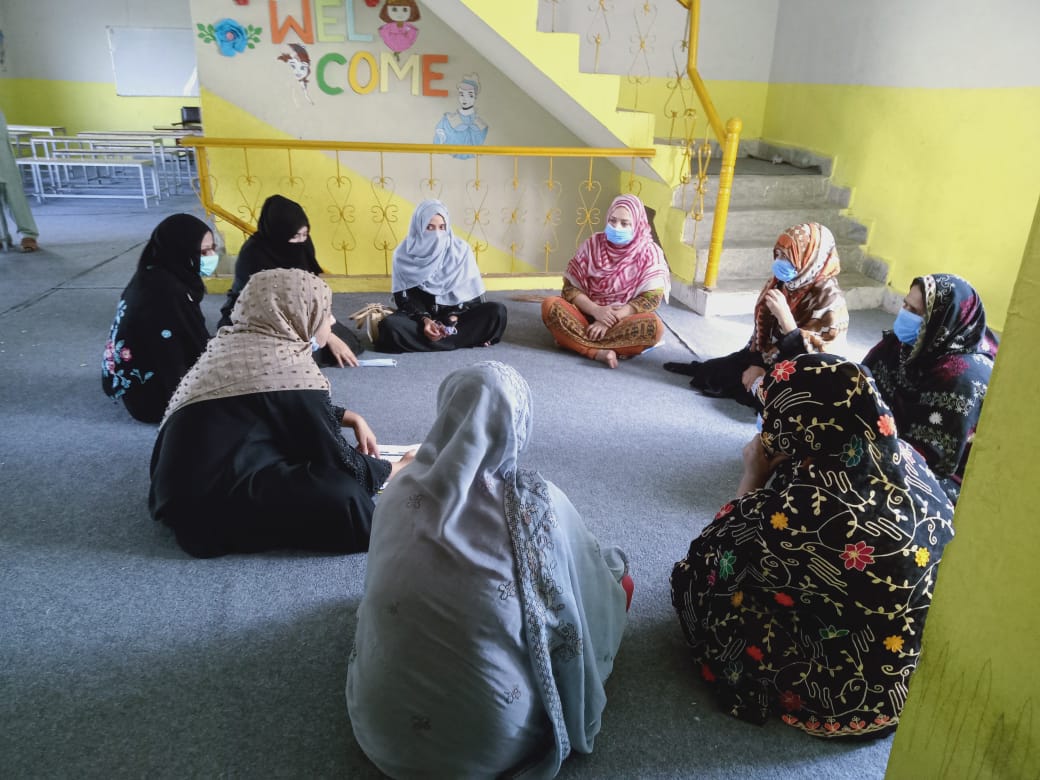
Livelihood Investment Plans (Scoping study) with Business Development Planning
Dhok Mustaqeem, Rawalpindi, Pakistan
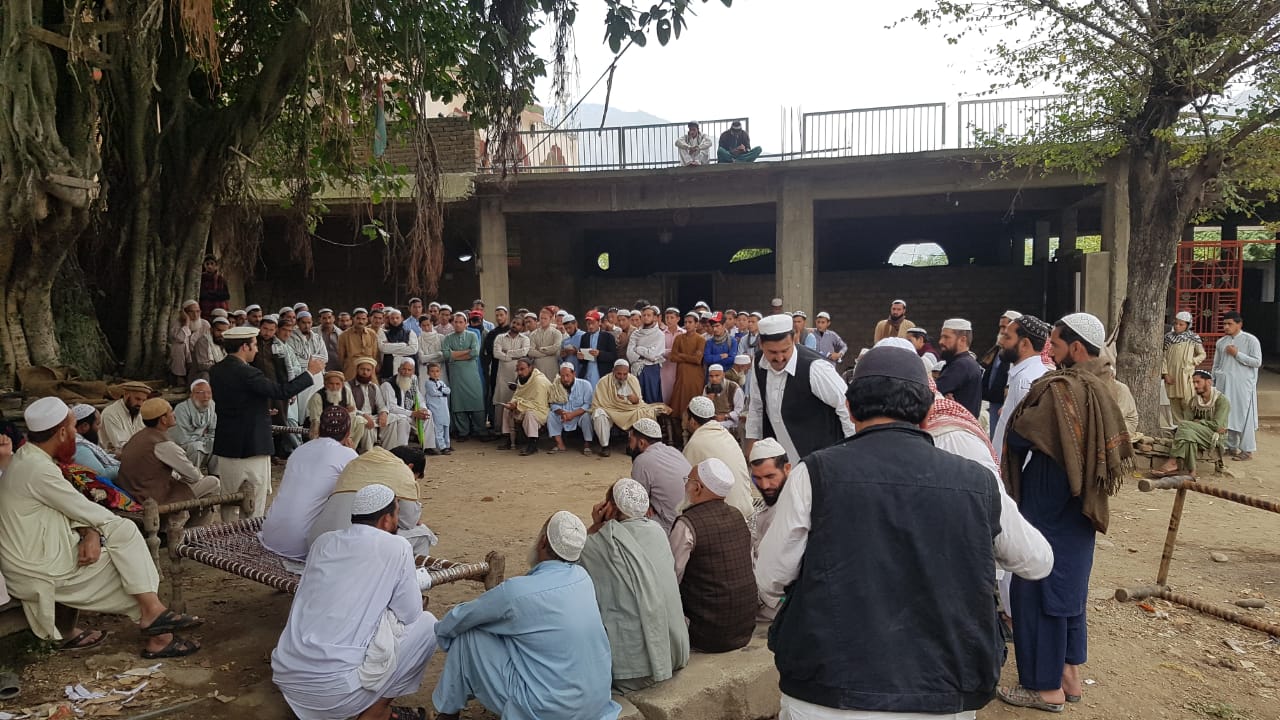
Citizen’s Action for Effective & Participatory Local Govt. System
District Haripur, Abbottabad, Mansehra, Battagram, Lower Kohistan, Upper Kohistan and Torghar, KP Pakistan
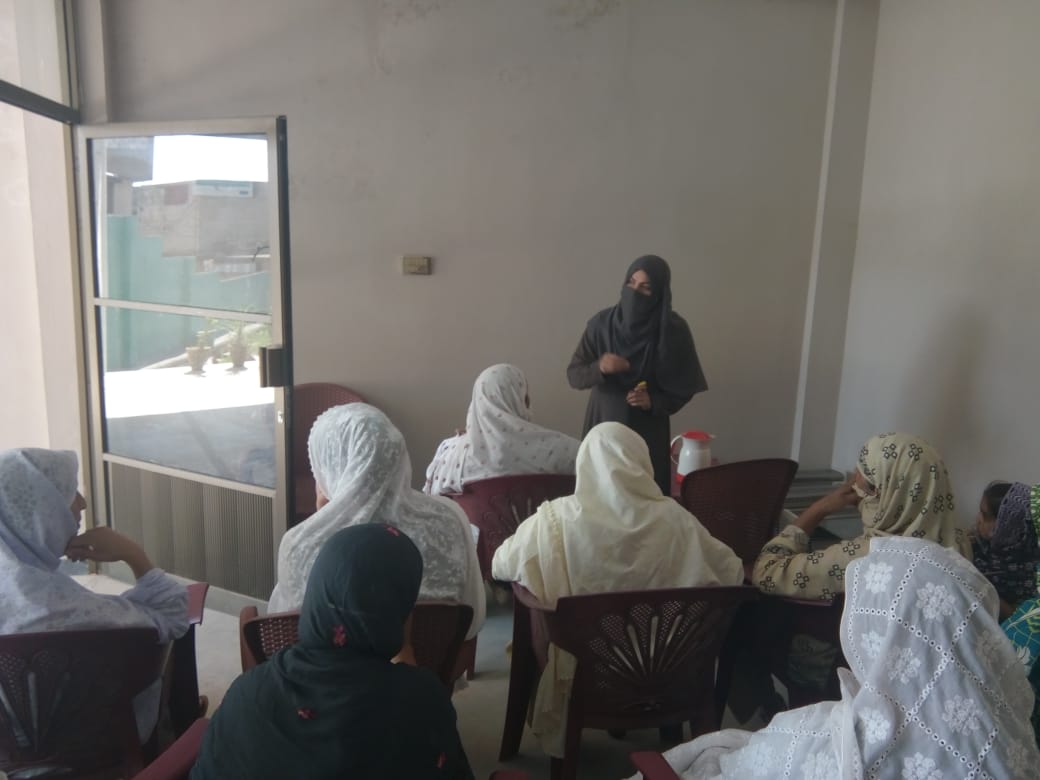
Citizens’ Education and Mobilization for Women’s Voter Registration and Participation in Electoral Processes
District Abbottabad, KP Pakistan
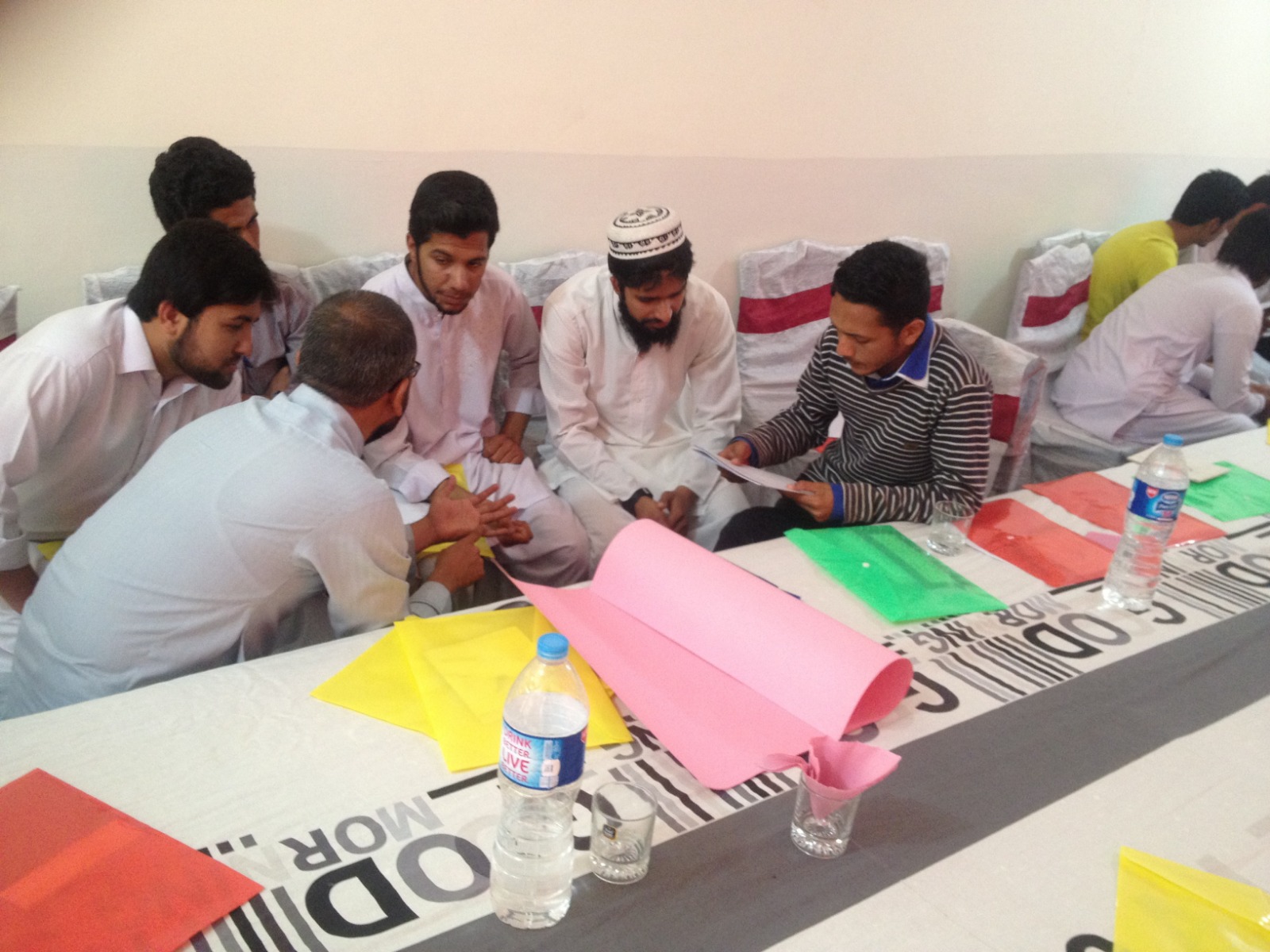
Transparent & Inclusive Local Govt. Election
District Haripur of KP, Pakistan
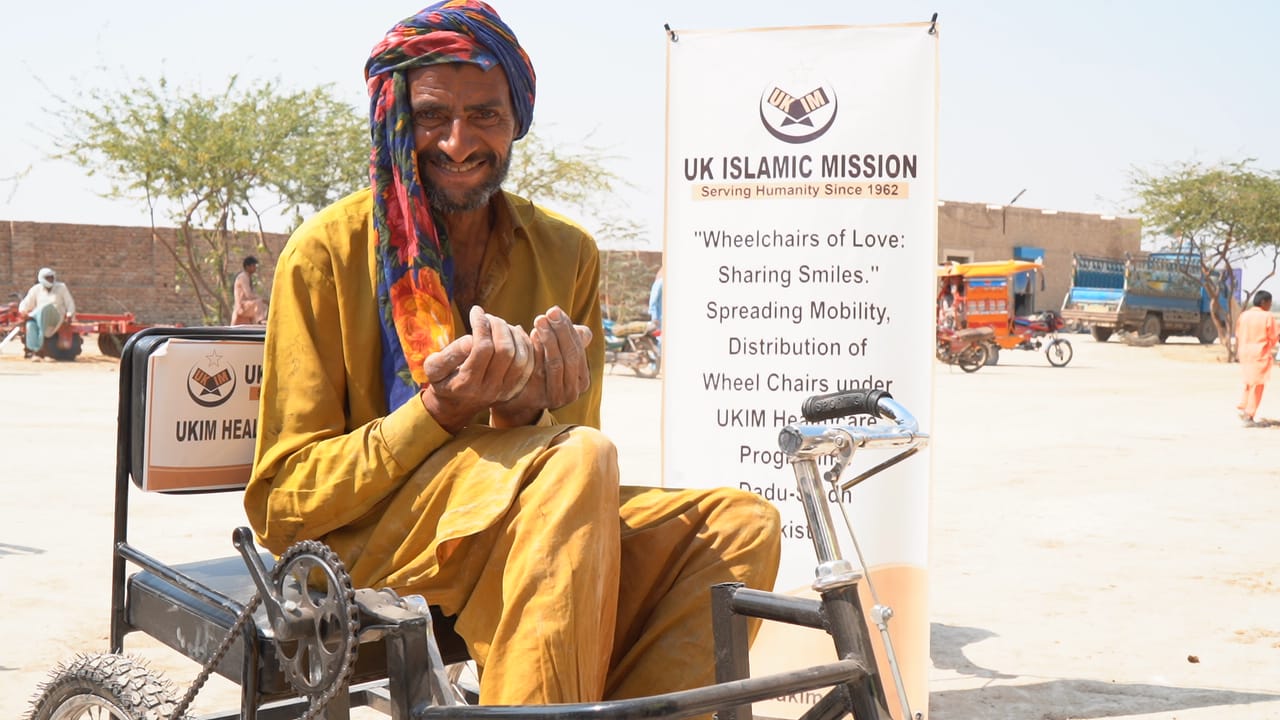
Provision of Wheelchairs to People with Physical Disabilities in District Dadu, Pakistan.
Project Introduction: Funded by UKIM, this project was implemented by GEESE in Tehsil Johi, District Dadu, Sindh, Pakistan. The project aimed to provide wheelchairs to people with physical disabilities, particularly in rural areas, to enhance their mobility, independence, and overall quality of life. The project was designed to address the challenges faced by people with physical disabilities in accessing basic necessities, education, and employment opportunities due to lack of mobility. The 2022 floods in Pakistan had a disproportionate impact on vulnerable populations, including people with disabilities, exacerbating their existing challenges. Through this project, GEESE successfully distributed 60 wheelchairs to deserving individuals, promoting their independence, dignity, and participation in community life. The project has yielded significant achievements, including increased mobility, enhanced access to basic needs, and improved livelihood opportunities for people with physical disabilities. Activities: • Conducted rapid needs assessment to identify people with physical disabilities in flood-affected areas of District Dadu. • Identified and prioritized 60 most vulnerable individuals for provision of wheelchairs. • Distributed 60 wheelchairs to people with physical disabilities, enhancing their mobility and independence. • Engaged with local stakeholders, including zakat committees, Bait-ul-maal, and village councils, to ensure effective implementation. • Monitored and evaluated project impact, documenting achievements and challenges.
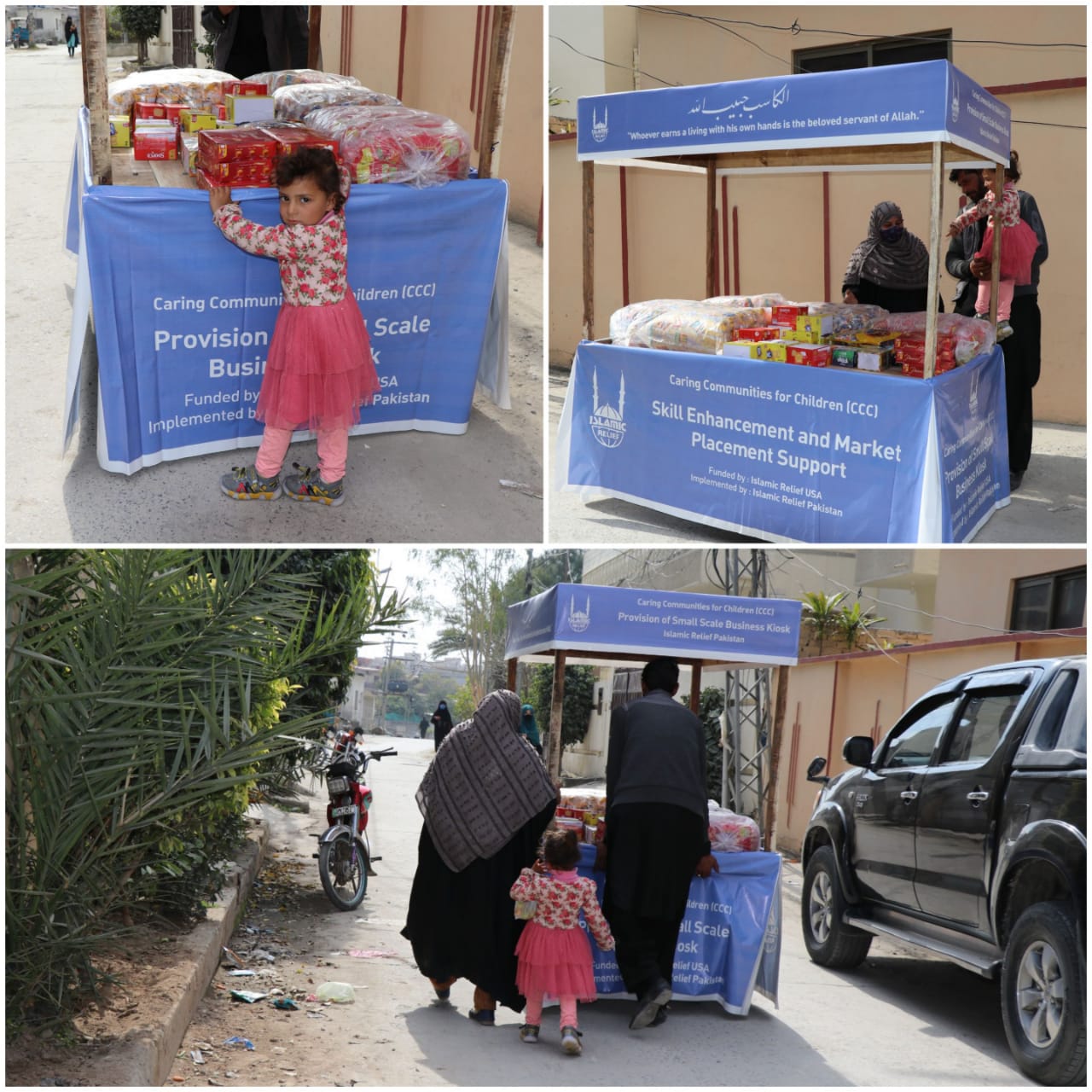
Market Placement, Asset Transfer & Incubation for Persons with Disability (PWD)
Project introduction: The “Market Placement, Asset Transfer & Incubation for Persons with Disability (PWD)” project, funded by Islamic Relief-USA, implemented by Islamic Relief Pakistan and Global Educational, Economic and Social Empowerment (GEESE), aimed to develop employable skills among persons with disabilities in Dhok Hassu, Rawalpindi. The project provided vocational training to 15 persons with disabilities, followed by asset transfer and incubation support. This initiative enabled the beneficiaries to start their own businesses, Improving their socio-economic status and promoting inclusive economic empowerment. The project’s focus on skills development, asset transfer, and incubation helped break down barriers and challenge negative attitudes towards disability, promoting a more inclusive and supportive community. By equipping persons with disabilities with employable skills and assets, the project contributed to a more equitable and sustainable society. Activities: - Identified and selected beneficiaries - Provided vocational training in various trades (industrial tailoring/stitching, embroidery, beautician services, cooking and baking, electrician services, mobile repairing, small-scale business management, basic financial literacy, enterprise development) - Transferred assets (cloth shops, beautician kits, popcorn and chips shops, tuck shops, mobile shops, chicken shops, tailoring shops) - Conducted incubation and asset management sessions (asset management, business skills development, entrepreneurship) - Placed beneficiaries in the market to start their own businesses
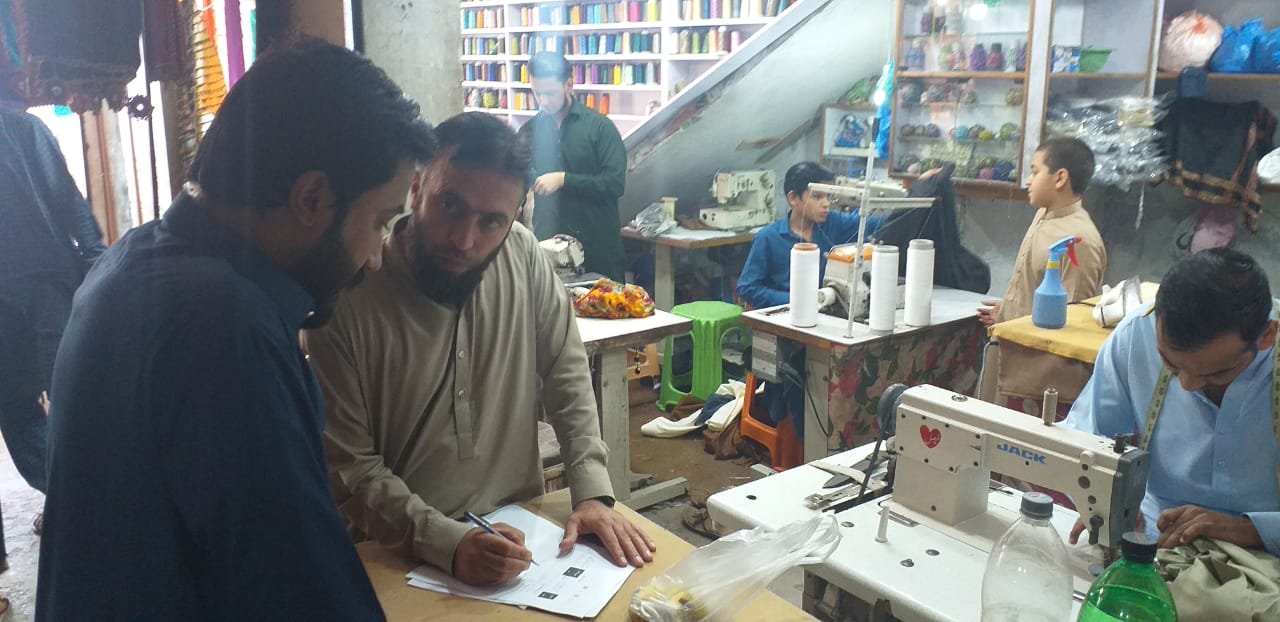
The Protection of Children at Risk (POCAR)
Project Introduction: The Protection of Children at Risk (POCAR) project, implemented by Islamic Relief Pakistan (IRP), in partnership with GEESE, aims to create a supportive environment for street children and those involved in child labor in Dhok Mustakeem, Rawalpindi. To enhance livelihood opportunities for youth, men, and women from families of street children, IRP partnered with Global Educational Economic and Social Empowerment (GEESE) to conduct a Livelihood Investment Plans (LIPs) scoping study with business development planning. This initiative targets 133 households in Dhok Mustakeem, focusing on equipping them with employable skills and competencies to pursue decent employment and entrepreneurship. By doing so, the project seeks to contribute to improved socio-economic status and a brighter future for these children and their families. Activities: - Conducted Livelihood Investment Plans (LIPs) for 133 households - Conducted market assessments to identify employment and self-employment opportunities - Identified training sources and institutes for skills development - Assessed barriers for vocational skills training graduates to gain employment - Identified job-matching platforms and developed linkages with industries/entrepreneurs - Provided skills training (e.g., technical, enterprise development, tailoring, beautician) - Conducted focus group discussions and key informant interviews with stakeholders - Developed business development plans and strategies - Identified potential partners and resources for future sustainability
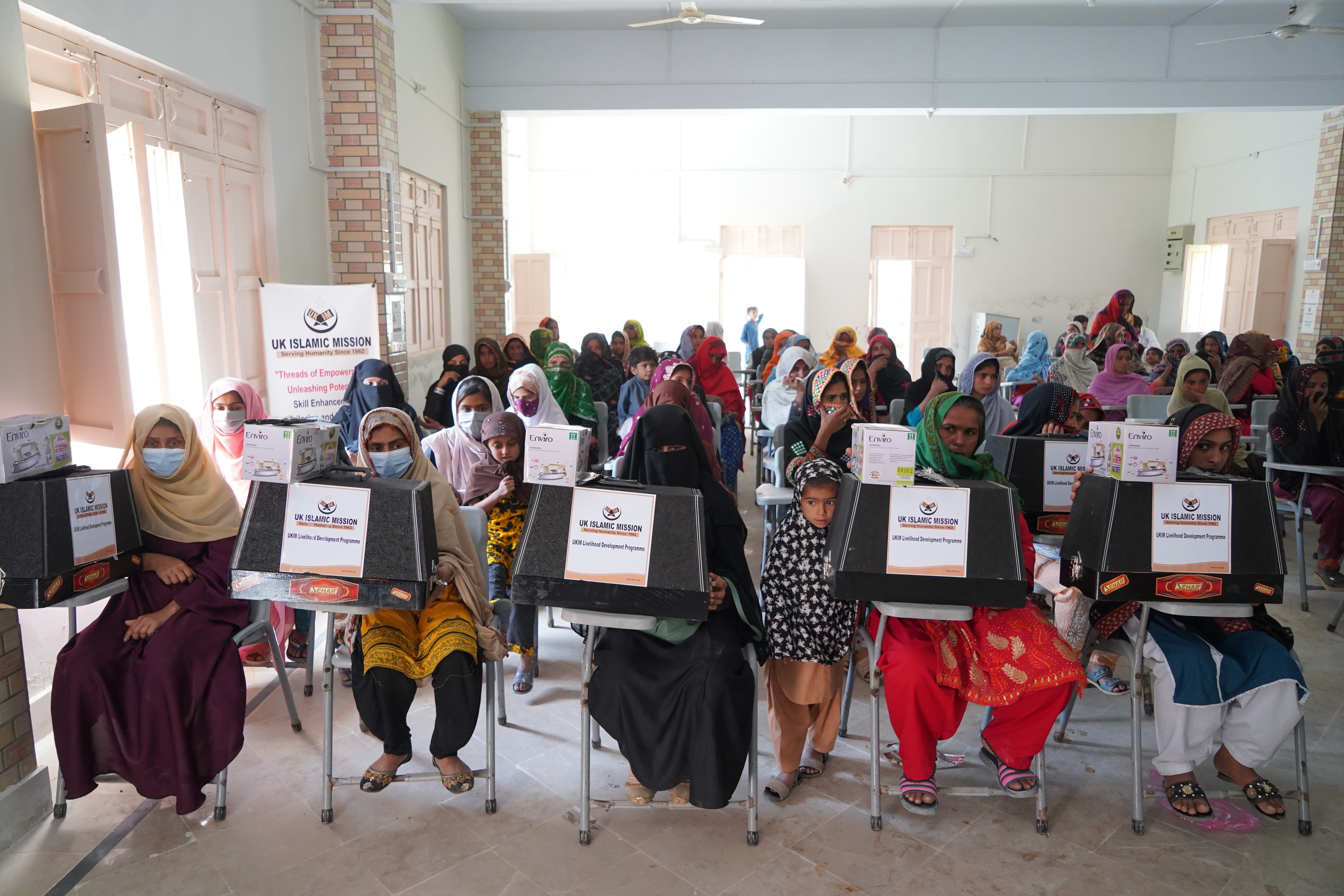
Skill Enhancement of 60 Women on Tailoring and Distribution of Sewing Machines among Trained Beneficiaries for Market Placement in Flood Affected District Dadu, Sindh, Pakistan.
Project Introduction: Funded by UK Islamic Mission (UKIM), this project was implemented by GEESE in the flood-affected district of Dadu, Sindh, Pakistan. The project aimed to empower vulnerable women, including widows, women with disabilities, and unemployed female youth, by providing them with employable skills in tailoring and stitching. The project was implemented in village Johi, district Dadu, specifically targeting women from rural poverty settings. The one-month project, which ran from March 15, 2024, to April 13, 2024, provided vocational training to 60 selected women, followed by the distribution of sewing machines and kits to enable them to start their own businesses or secure waged employment. The project established two training centers in central locations, equipped with sewing machines and other necessary facilities, and trained the participants in tailoring and enterprise development. Activities: • Identified and selected 60 women beneficiaries • Established two training centers • Provided vocational training on tailoring and stitching • Conducted enterprise development training • Distributed sewing machines and kits to trained beneficiaries • Awarded course completion certificates to beneficiaries • Monitored and evaluated project progress


