- Have any questions?
- +92 051 2717932
- info@geese.org.pk

Citizen’s Action for Effective & Participatory Local Govt. System
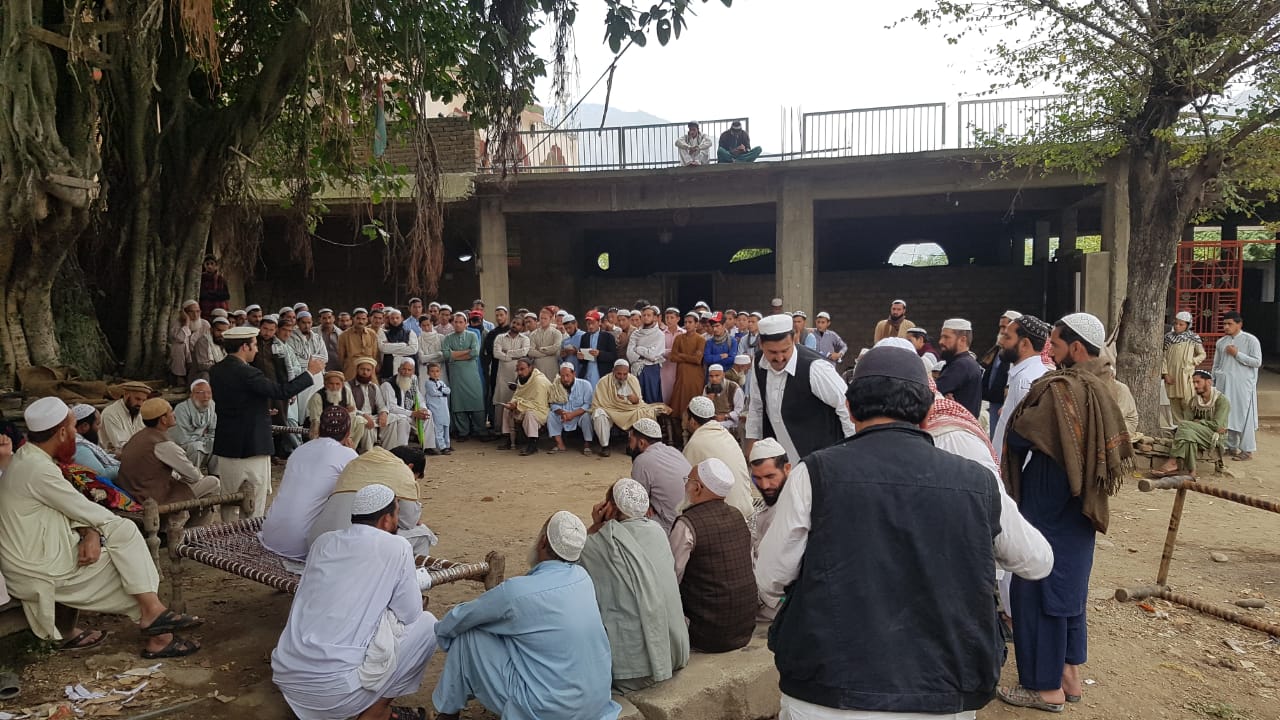
Citizen’s Action for Effective & Participatory Local Govt. System
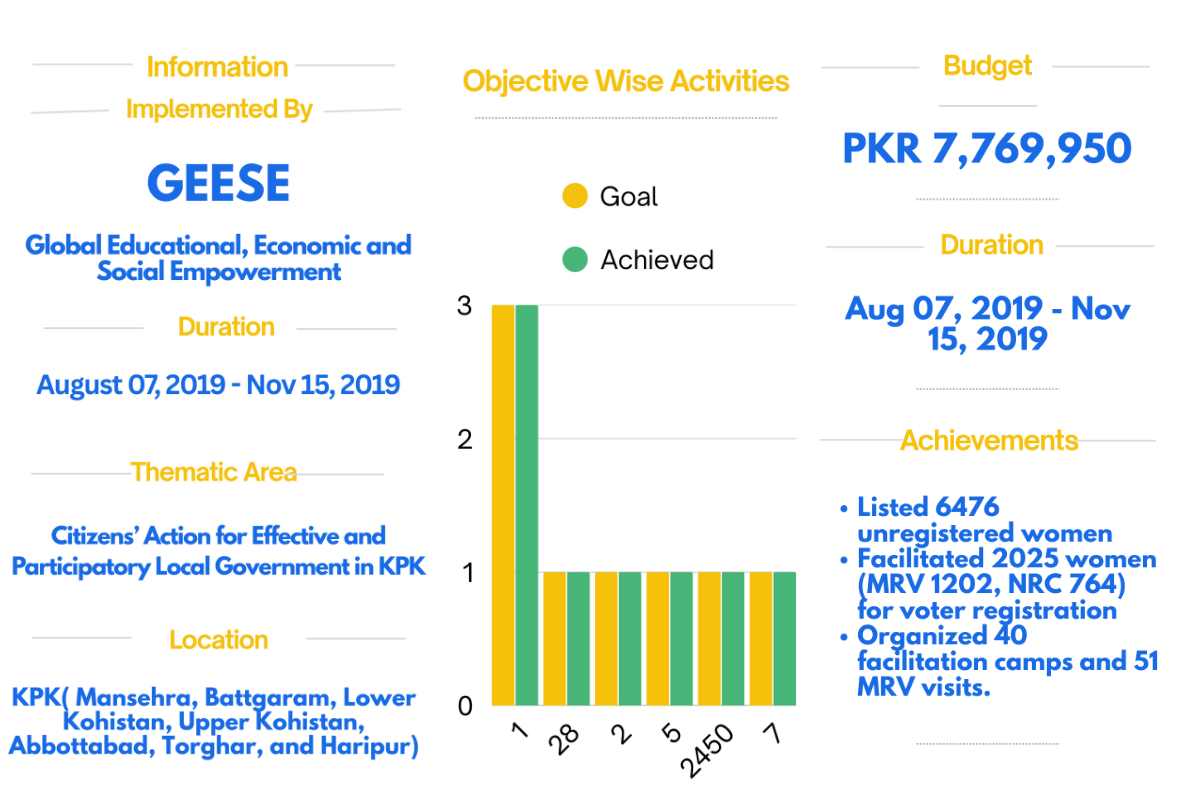
A representative local government system is considered essential for transparent, efficient, and responsive service delivery as well as to promote democratic culture and values at the grass-roots level. Such a system also allows and enables people to hold their representatives accountable and have their voices heard in the process of decision-making, which can have consequences for their quality of life. In almost all established democracies, the local governments constitute an important tier of governance, and are mandated and empowered to deliver the necessary public services, as decided by the elected representatives of the people of the region. Moreover, citizens’ access to state resources and equitable distribution of these resources for the public’s well-being remains an abstract concept without an efficient and effective elected third-tier of governance. Local governments provide a range of fora for engagement of marginalized groups of society - including women, workers, landless people, religious minorities and youth, in particular – as citizens and through reserved seats as local representatives. The local government systems in Pakistan remain under-developed and weak due to inconsistent and problematic laws. Reinvigorated systems will enable citizens to hold their representatives accountable and have their voices heard in the process of decision-making, which have consequences for their quality of life. In consideration of the new government’s focus on local government reforms, Grant Cycle-16 has supported civil society organizations (CSOs) in public outreach, research and advocacy activities towards reforming laws, policies, rules and regulations to ensure that local government systems have the greatest potential to be transparent and accountable and to deliver services equitably and effectively, thereby reducing factors in local communities that drive violent extremism. Under the grant cycle-16 “Citizens’ Actions for Effective and Participatory Local Governments in Khyber Pakhtunkhwa” the Global Educational, Economic and Social Empowerment (GEESE) has implemented project in 7 targeted districts of Hazara division during Aug 07, 2019 to November 15, 2019 and successfully achieved total no. of 88 milestones out of 92. Below are the key achievements of project: • Trained project staff on KPLG framework and project SOW. • Completed profiling and training of 40 volunteers in 7 targeted districts 11 • Completed profiling of 46 local councils (21 NCs and 25 VCs) in 5 districts, administered interview checklist with 46 secretaries of profiled councils and conducted focus group discussion (FGDs) with total# of 361 (331M; 30F) ex-members of said profiled local councils Organized 7 district level public fourm/conventions in 7 intervention districts • Conducted 15 tehsil level seminars in 15 tehsils of 7 intervention districts • Conduced 28 training sessions for potential candidates on KPLG framework • Conducted 1257 meetings with community influentials and citizens • Organized 14 information stalls and disseminated KPLG IEC material though stalls Developed and printed IEC material: Brochures 21000, Flyers 42000 and Booklets 3500 and accordingly disseminated these material during public education activities at district level. • Accomplished multimedia campaigns during the reporting period; Through local radio station Power99.4 Abbottabad on aired total no. of 2450 radio spots @70 spots per day, 07 advertisements in 04 local news papers and posted KPLG IEC material on social media pages trough more than 1 million citizens were benefited
Working Area
District Haripur, Abbottabad, Mansehra, Battagram, Lower Kohistan, Upper Kohistan and Torghar, KP Pakistan


