- Have any questions?
- +92 051 2717932
- info@geese.org.pk
Projects in : All Themetic Areas
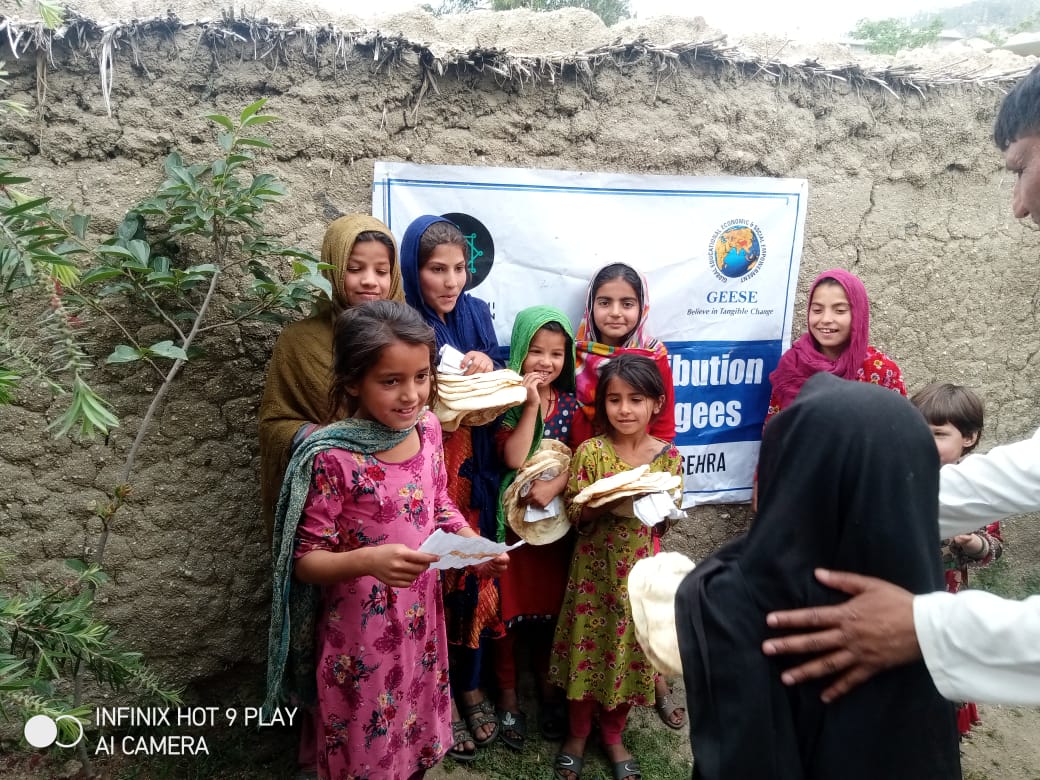
Free Food Distribution to Afghan Refugees
District Mansehra, KP Pakistan
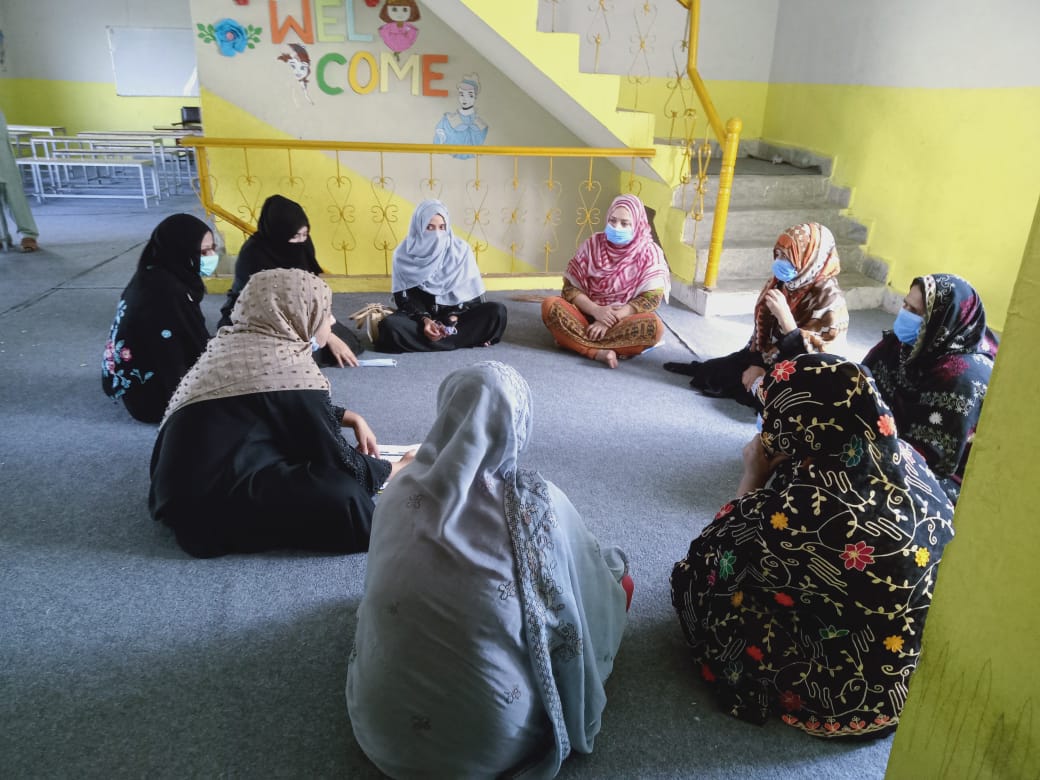
Livelihood Investment Plans (Scoping study) with Business Development Planning
Dhok Mustaqeem, Rawalpindi, Pakistan
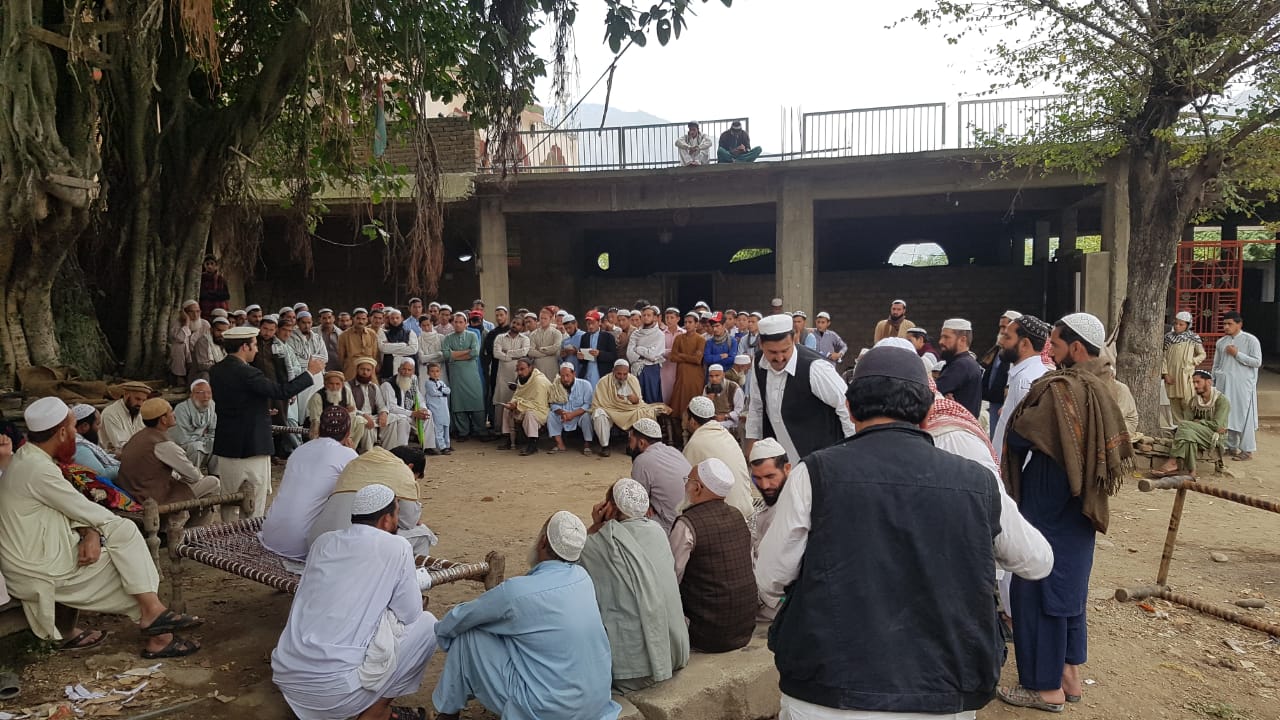
Citizen’s Action for Effective & Participatory Local Govt. System
District Haripur, Abbottabad, Mansehra, Battagram, Lower Kohistan, Upper Kohistan and Torghar, KP Pakistan
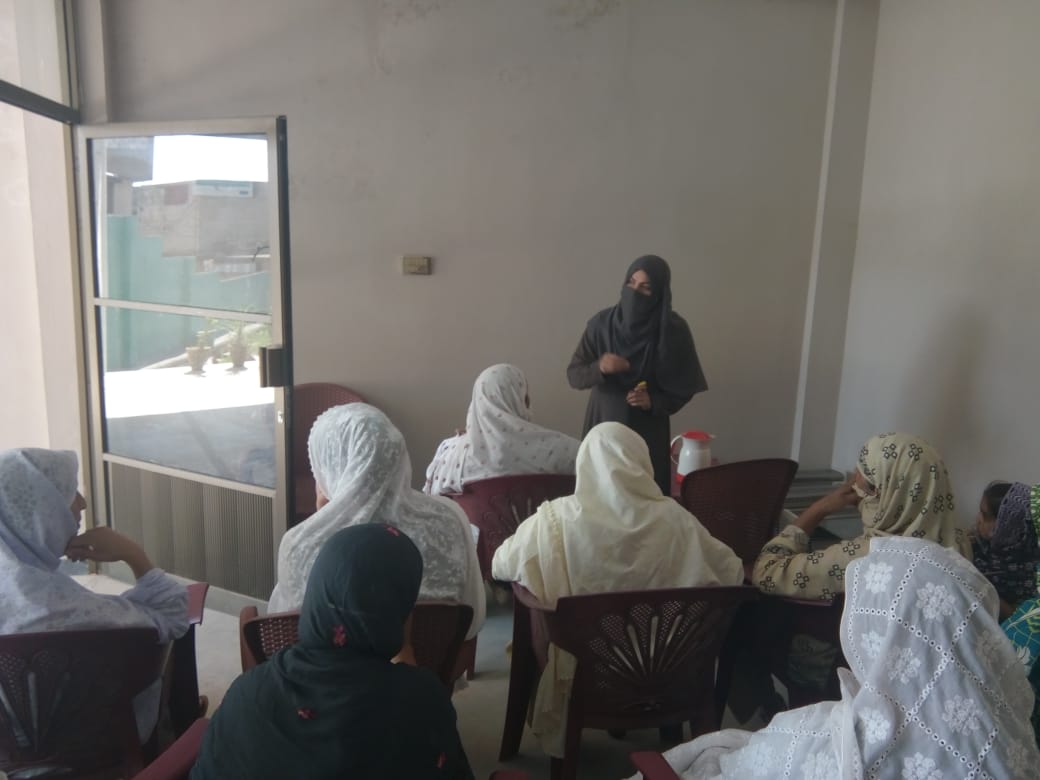
Citizens’ Education and Mobilization for Women’s Voter Registration and Participation in Electoral Processes
District Abbottabad, KP Pakistan
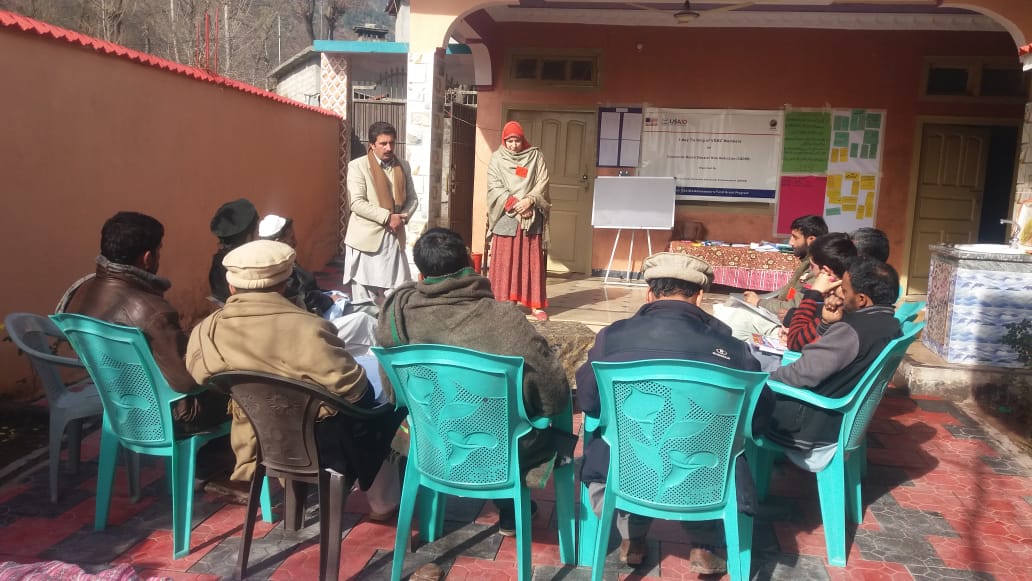
Improving Disaster Preparedness and Natural Resource Management
UC Garlat of Tehsil Balakot, Mansehra KP Pakistan
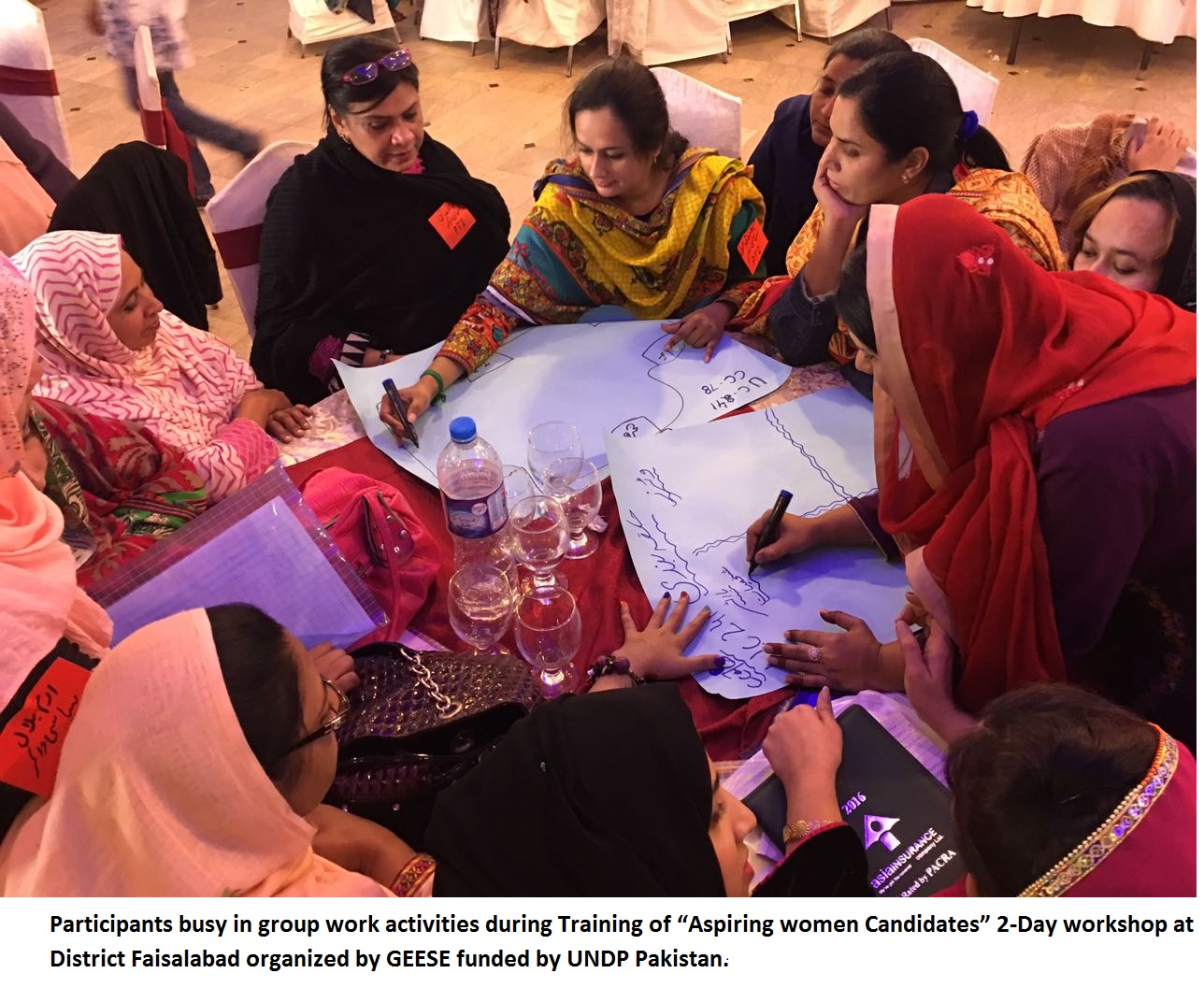
Training of Aspiring Women Candidates
District Faisalabad, Punjab Pakistan
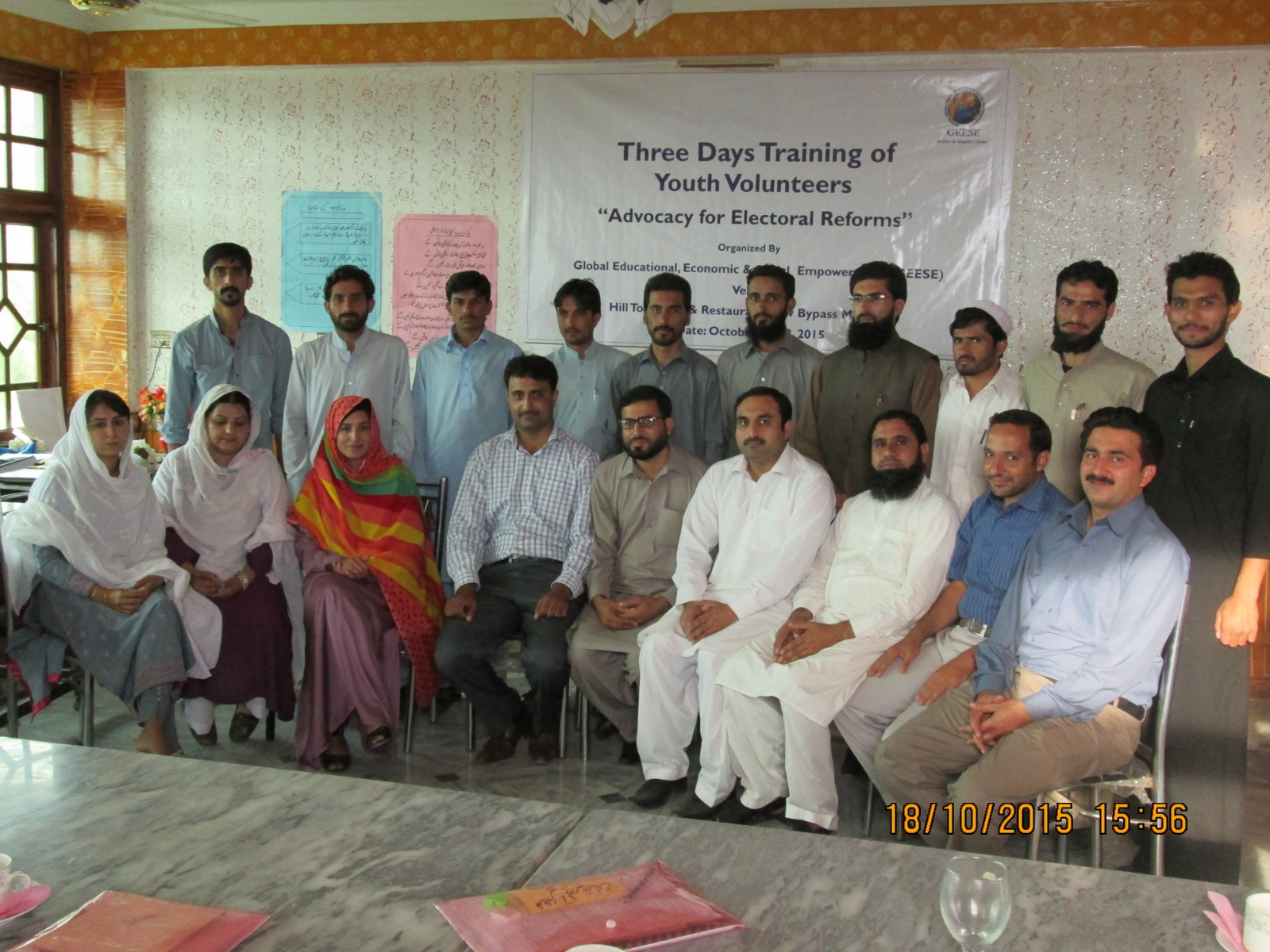
Advocacy for Electoral Reforms
District Kohistan, Battagram and Mansehra of KP Pakistan
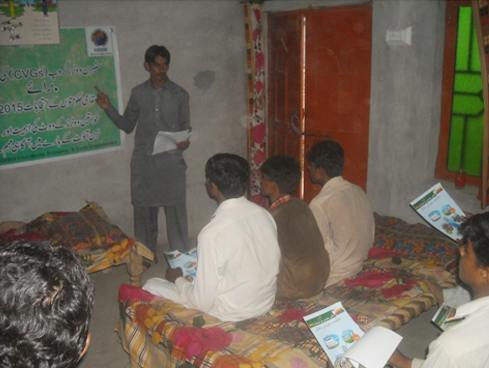
Voter Education to Diminish barriers to Women Voting in Local Govt. Election
District Bhakkar and Dera Ghazi Khan of Punjab, Pakistan
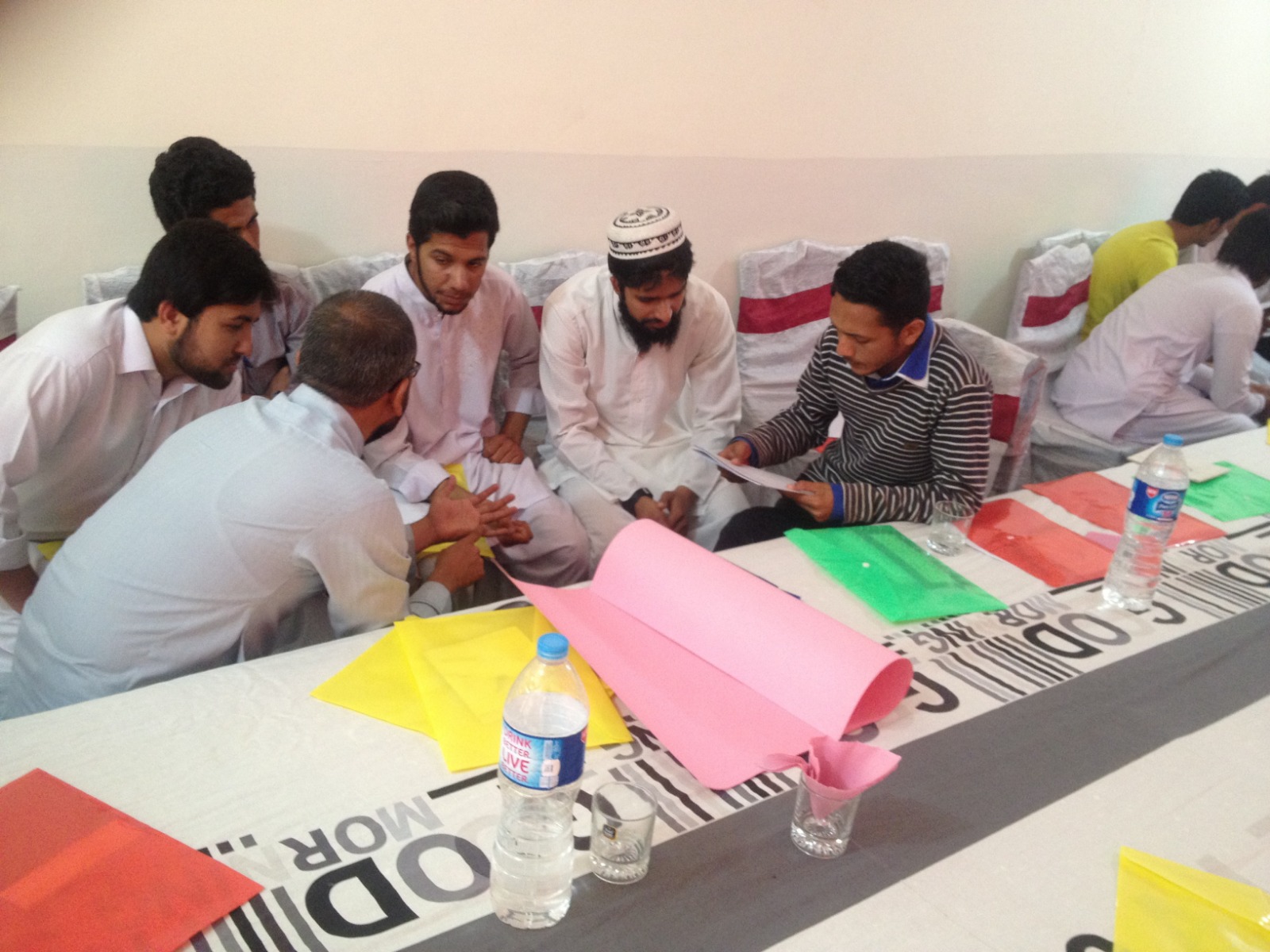
Transparent & Inclusive Local Govt. Election
District Haripur of KP, Pakistan
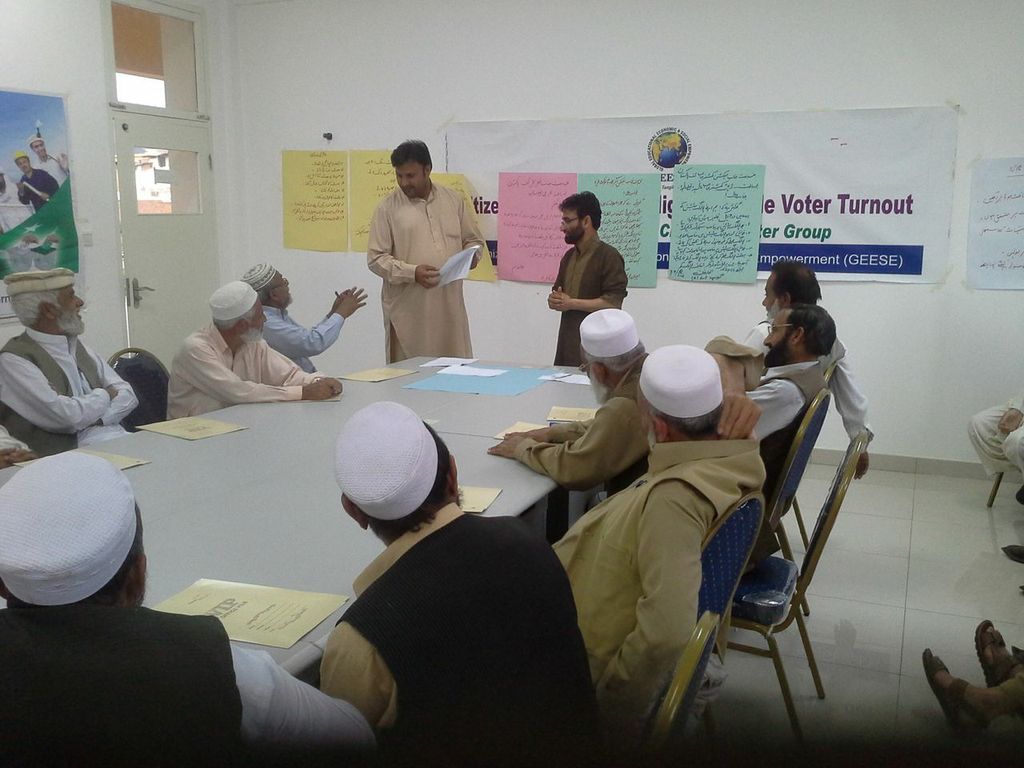
Citizens’ Awareness for Higher Female Voter Turnout
District Mansehra, KP Pakistan
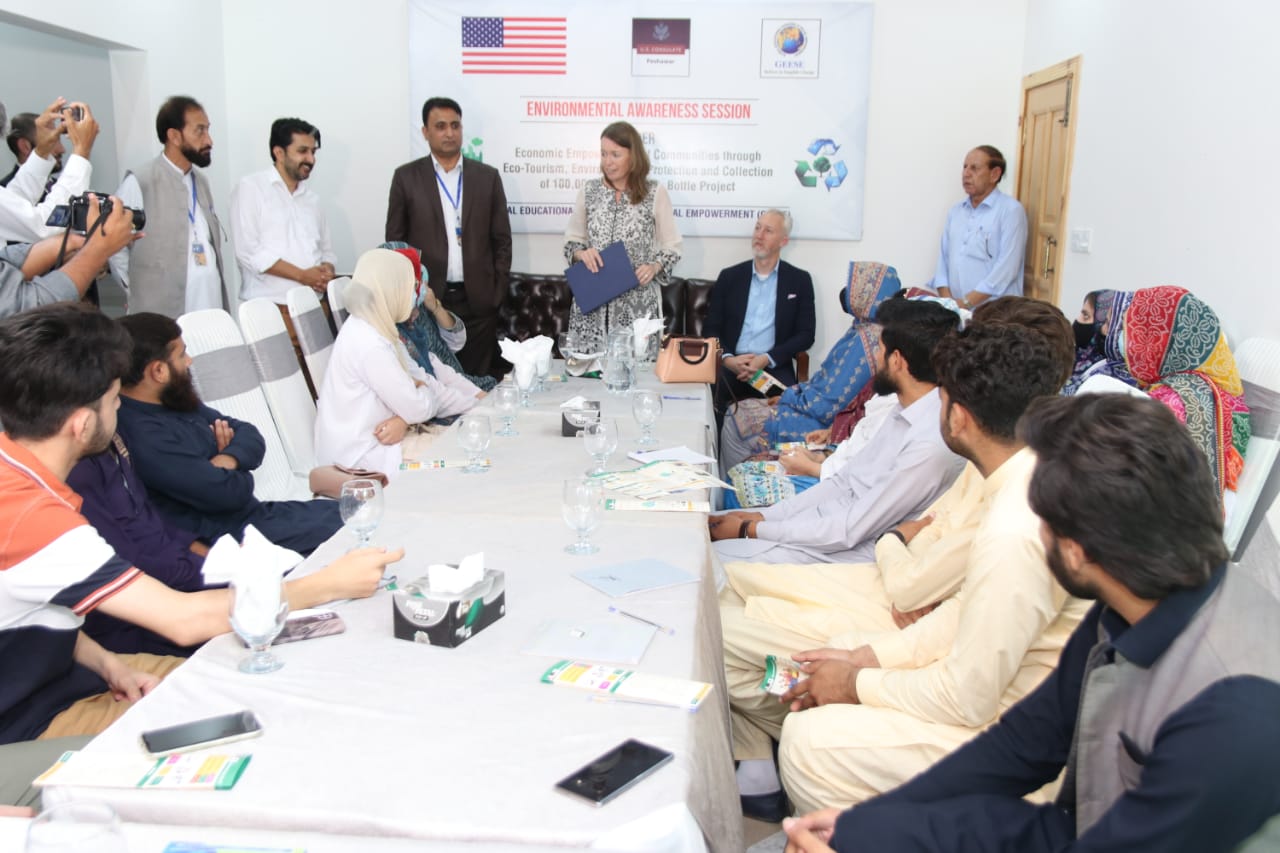
Economic Empowerment of Communities through Eco-Tourism and Collection of Waste Plastic Project
Project Introduction: Funded by the US Consulate Peshawar, this project was implemented by GEESE in Union Council Kaghan and Union Council Mahandri of District Mansehra. The project which started in September 2022 and ended in July 2023, aimed to contribute to the economic empowerment of local communities through eco-tourism and environmental protection, promoting sustainable development and community-based management. The project was designed to generate awareness among local people and stakeholders to participate in eco-tourism and environmental protection in a sustainable way. Key activities included project staff hiring, inception meeting, designing the FGDs tool kit, focus group discussions, broad-based community meetings, identification and training of environmental volunteers, plantation drives, training on hospitality management and environmental protection, community meetings, awareness sessions in schools, waste bottle collection and disposal, and linking trained youth with financial institutions. The project has yielded significant achievements, including the collection of 103,450 waste plastic bottles, the plantation of 7,000 trees, the training of 30 environmental volunteers and 51 beneficiaries on hospitality management and environmental protection, and the facilitation of 30 trained youth in linking with financial institutions for interest-free loans. Activities: - Project staff hiring - Inception meeting - Focus group discussions - Broad-based community meetings - Training environmental volunteers - Training beneficiaries on hospitality management - Plantation drives - Waste plastic bottle collection and disposal - Linking trained youth with financial institutions - Awareness sessions in schools - Community meetings to promote eco-tourism and environmental protection
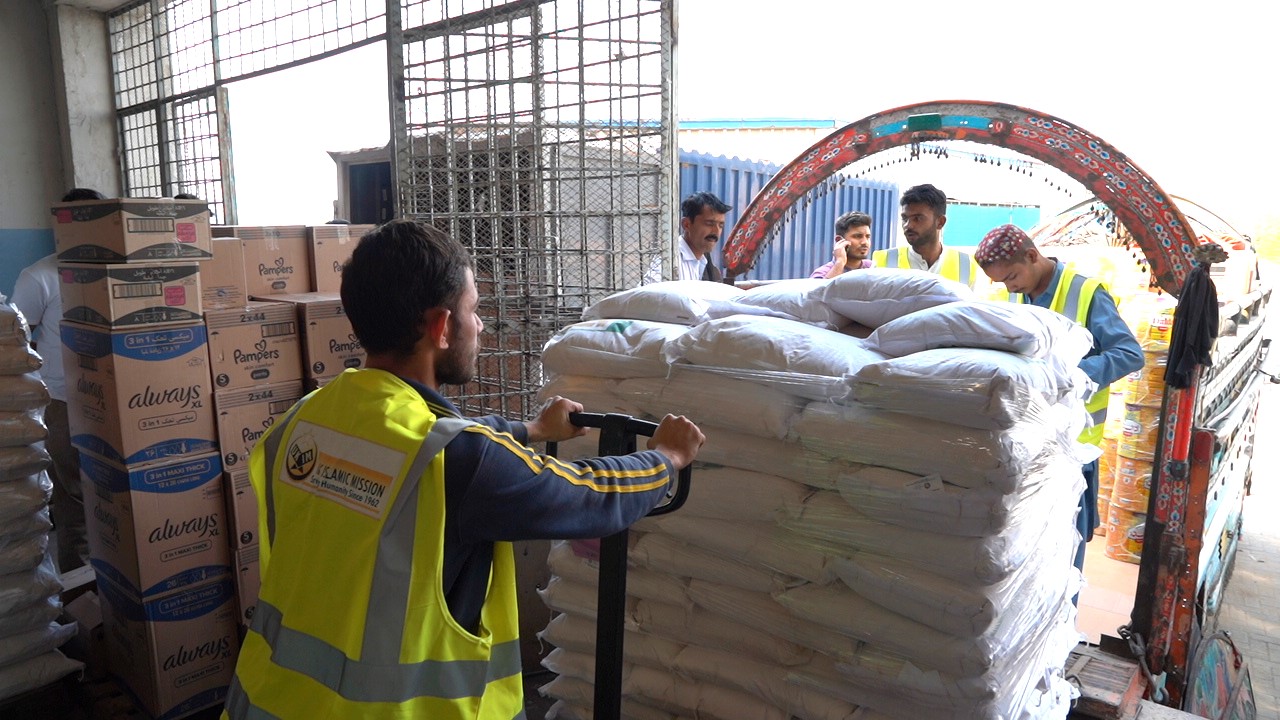
Ramadan Food Package Support Project
Project Introduction: The Ramadan Food Package Support Project, funded by UKIM and implemented by GEESE, aimed to provide emergency food assistance to vulnerable communities affected by the 2022 floods in District Dadu, Sindh, Pakistan. Specifically, the project targeted the Johi area of Dadu district. The project was implemented for a duration of one month, from February 15, 2024, to March 15, 2024. This thematic area of the project falls under emergency response and food security, with a focus on providing essential food items to 250 families during the holy month of Ramadan. By distributing food packages, the project sought to alleviate food insecurity, promote social cohesion, and support the affected communities in rebuilding their lives. The project was designed to address the immediate needs of the flood-affected population, particularly those who were most vulnerable, including widows, single parents, and families with disabilities. Project Activities: 1. Conducted an assessment survey of immediate needs for vulnerable and deprived communities affected by the monsoon flood 2022 in targeted villages. 2. Collaborated with nutritionists to ensure the Ramadan food packs met nutritional needs of the affected community. 3. Conducted thorough assessments of beneficiaries’ dietary requirements. 4. Incorporated diverse food items in the food package. 5. Prioritized locally sourced and culturally appropriate foods. 6. Evaluated and adjusted the content in the food package based on nutritional guidelines. 7. Identified beneficiaries/households for the project interventions for the provision of Ramadan food Package. 8. Provided Ramadan food packs to 250 families for immediate relief.
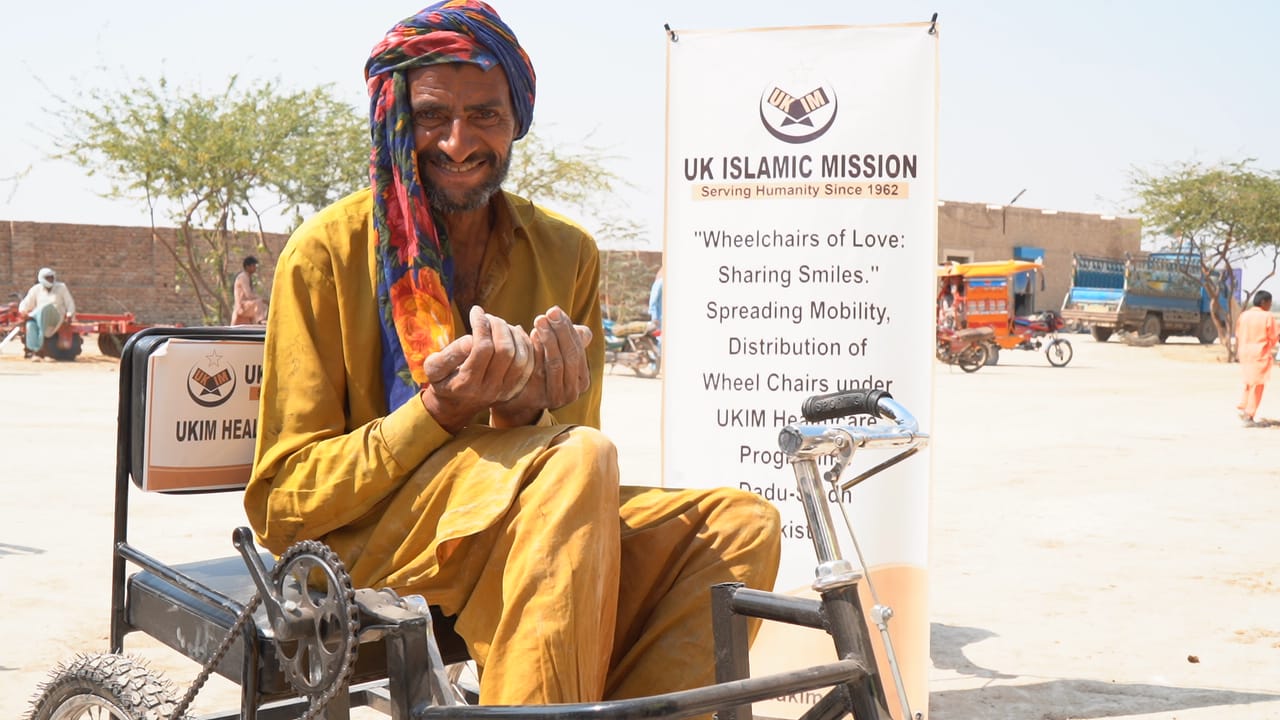
Provision of Wheelchairs to People with Physical Disabilities in District Dadu, Pakistan.
Project Introduction: Funded by UKIM, this project was implemented by GEESE in Tehsil Johi, District Dadu, Sindh, Pakistan. The project aimed to provide wheelchairs to people with physical disabilities, particularly in rural areas, to enhance their mobility, independence, and overall quality of life. The project was designed to address the challenges faced by people with physical disabilities in accessing basic necessities, education, and employment opportunities due to lack of mobility. The 2022 floods in Pakistan had a disproportionate impact on vulnerable populations, including people with disabilities, exacerbating their existing challenges. Through this project, GEESE successfully distributed 60 wheelchairs to deserving individuals, promoting their independence, dignity, and participation in community life. The project has yielded significant achievements, including increased mobility, enhanced access to basic needs, and improved livelihood opportunities for people with physical disabilities. Activities: • Conducted rapid needs assessment to identify people with physical disabilities in flood-affected areas of District Dadu. • Identified and prioritized 60 most vulnerable individuals for provision of wheelchairs. • Distributed 60 wheelchairs to people with physical disabilities, enhancing their mobility and independence. • Engaged with local stakeholders, including zakat committees, Bait-ul-maal, and village councils, to ensure effective implementation. • Monitored and evaluated project impact, documenting achievements and challenges.
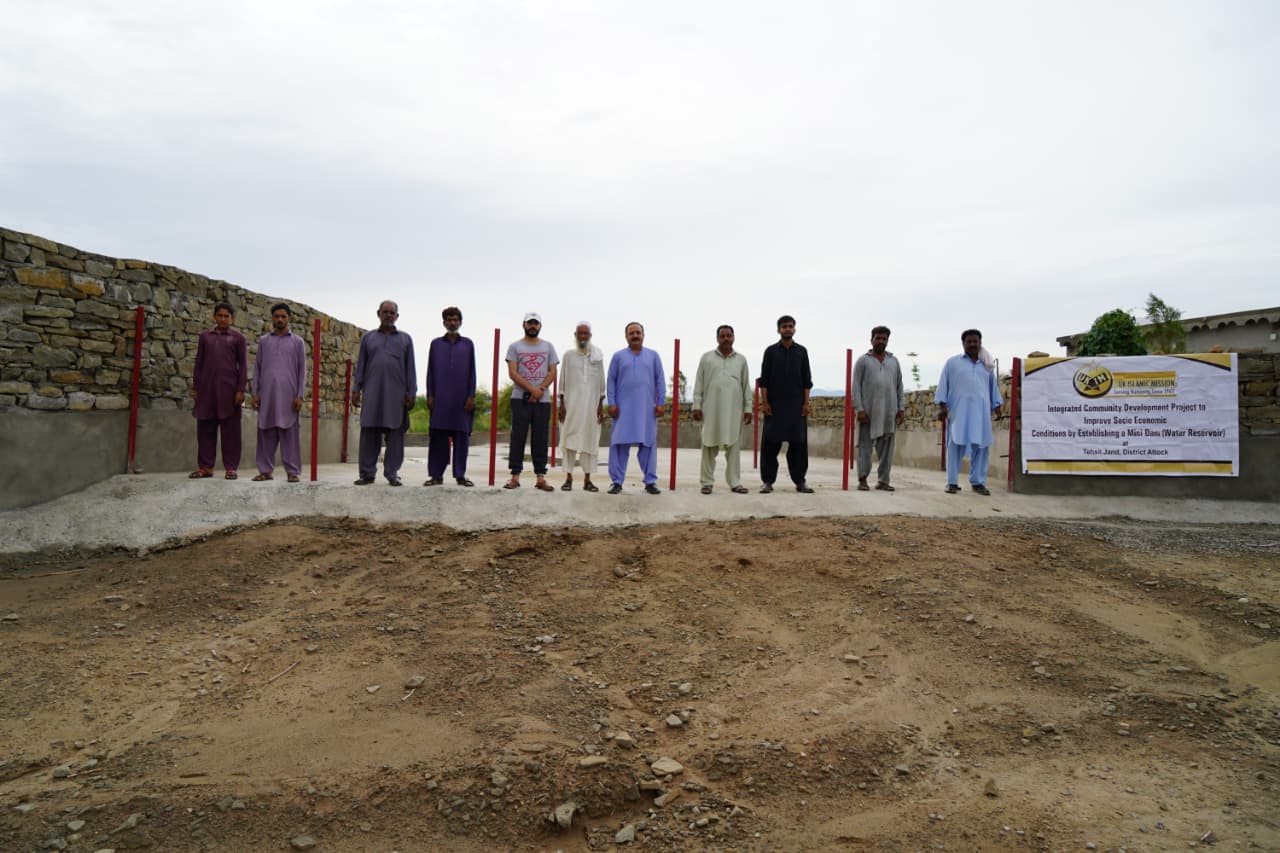
Integrated Community Development Project to Improve Socio-Economic Conditions by Establishing a Mini Dam (Water Reservoir).
Project Introduction: Funded by UKIM and implemented by GEESE, this project was implemented in Village Jalwal, Tehsil Jand, District Attock, Punjab, Pakistan. The project aimed to address the critical issue of water scarcity and its detrimental impact on the local community’s livelihood by constructing a mini dam to harness rainwater, recharge groundwater, and provide a sustainable water source for agriculture, livestock, and domestic use. The project was designed to improve the socio-economic conditions of the community through increased agricultural productivity, enhanced food security, and the creation of livelihood opportunities. The construction of the mini dam was completed within a period of 9 months, from March 2024 to December 2024. The project has yielded significant achievements, including the successful construction of the dam with a capacity of 600+ acre-feet, creation of employment opportunities during the construction phase, and setting the stage for improved water availability and livelihood opportunities for the local community. Activities: • Conducted feasibility studies to identify the suitable location for the mini dam. • Acquired the necessary land for dam construction. • Designed and constructed the mini dam, including: - Retaining wall - Spillways to regulate water flow and prevent erosion - Necessary infrastructure • Cleared debris and ensured the dam’s structural integrity. • Prepared the dam for the upcoming monsoon season to capture and store rainwater.
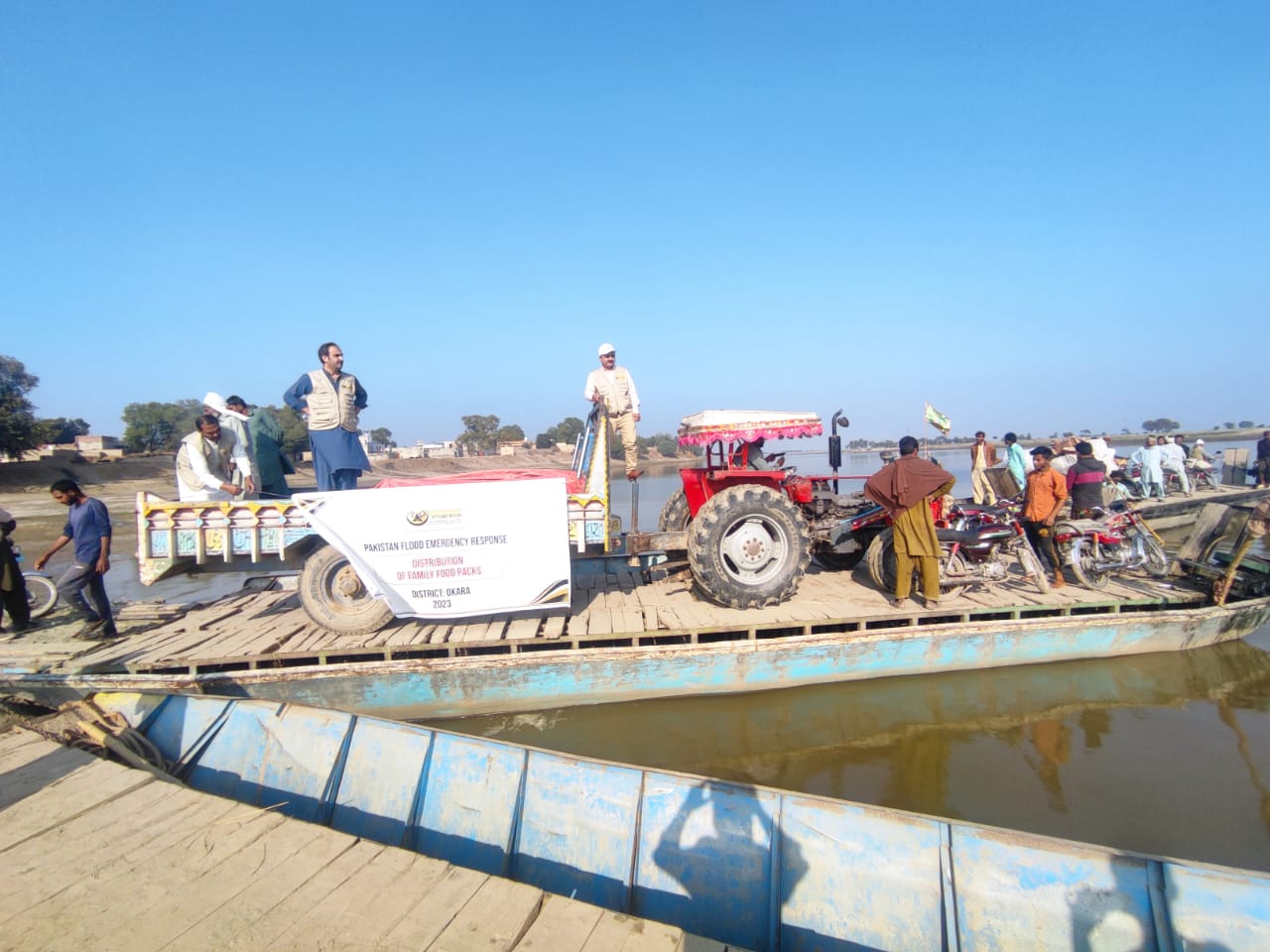
Emergency Response to Pakistan floods (2023)
Project Introduction: Monsoon Flood Relief Project in District Okara, Pakistan, funded by UKIM, this project was implemented by GEESE from Oct 16, 2023 to Nov 15, 2023 in the flood-affected areas of District Okara, Pakistan, specifically in villages Daraz Kay, Nama Jandeka, and Darshan. The project aimed to provide immediate relief to vulnerable and deprived communities affected by the monsoon flood 2023, focusing on the provision of food packs and health and hygiene kits to approximately 300 families. The project was designed to address the urgent needs of the flood-affected population, who had lost their homes, crops, and livestock, and were in desperate need of assistance. The project successfully distributed food items and health and hygiene kits, benefiting around 2,100 people, including women, children, and elderly individuals. Activities: • Conducted assessment of immediate needs of vulnerable communities affected by the monsoon flood • Identified 300 families for project interventions • Procured food packs and health and hygiene kits • Distributed food packs and health and hygiene kits to 300 families • Monitored the distribution process and evaluated project impact
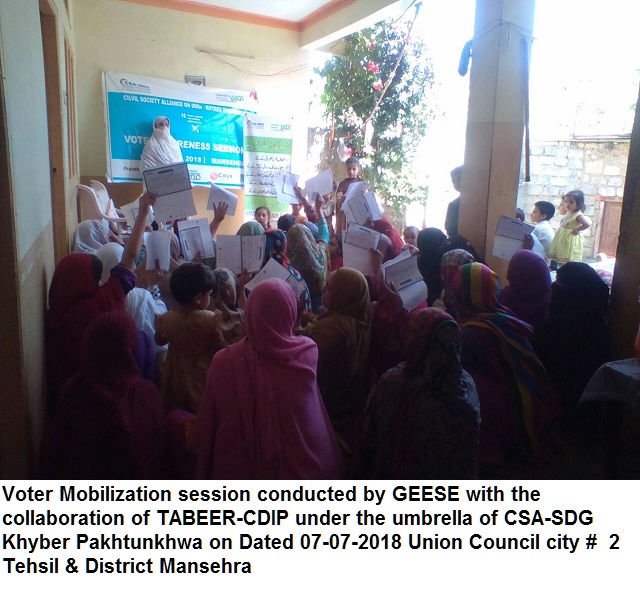
TABEER-CDIP Grant Project
Project Introduction: The “TABEER-CDIP Grant” project, funded by the UK government and implemented by DAI Pakistan, was executed by Global Educational, Economic and Social Empowerment (GEESE) to raise awareness and demonstrate the effectiveness of using laws to improve public service delivery related to legal identity for all in Khyber Pakhtunkhwa. The project duration spanned from April 27, 2018, to August 31, 2018. The project’s primary objective was to increase the capacity, accountability, and responsiveness of Pakistan’s political institutions and enhance the participation of marginalized groups, including women, youth, people with disabilities, and minorities, in the policy-making process. Through this project, GEESE aimed to contribute to achieving Sustainable Development Goal 16.9, which focuses on providing legal identity for all, including birth registration, by 2030. Project Activities: - Hosted Coalition Building Meetings to finalize the mandate, strategic objectives, and communication protocols of the coalition - Participated in Coalition Building Meetings to strengthen partnerships and coordination - Conducted Provincial Consultative Sessions to identify local issues and possible solutions related to SDG 16.9 (Legal Identity and Birth Registration) - Developed and aired radio messages to raise awareness about the importance of legal identity and birth registration - Conducted Town Hall Meetings with marginalized groups (transgender, PWDs, youth, women, and minorities) to sensitize and mobilize them about voter education and electoral processes - Developed IEC materials for voter mobilization sessions and town hall meetings - Conducted voter mobilization sessions to increase awareness and participation of marginalized groups in the electoral process
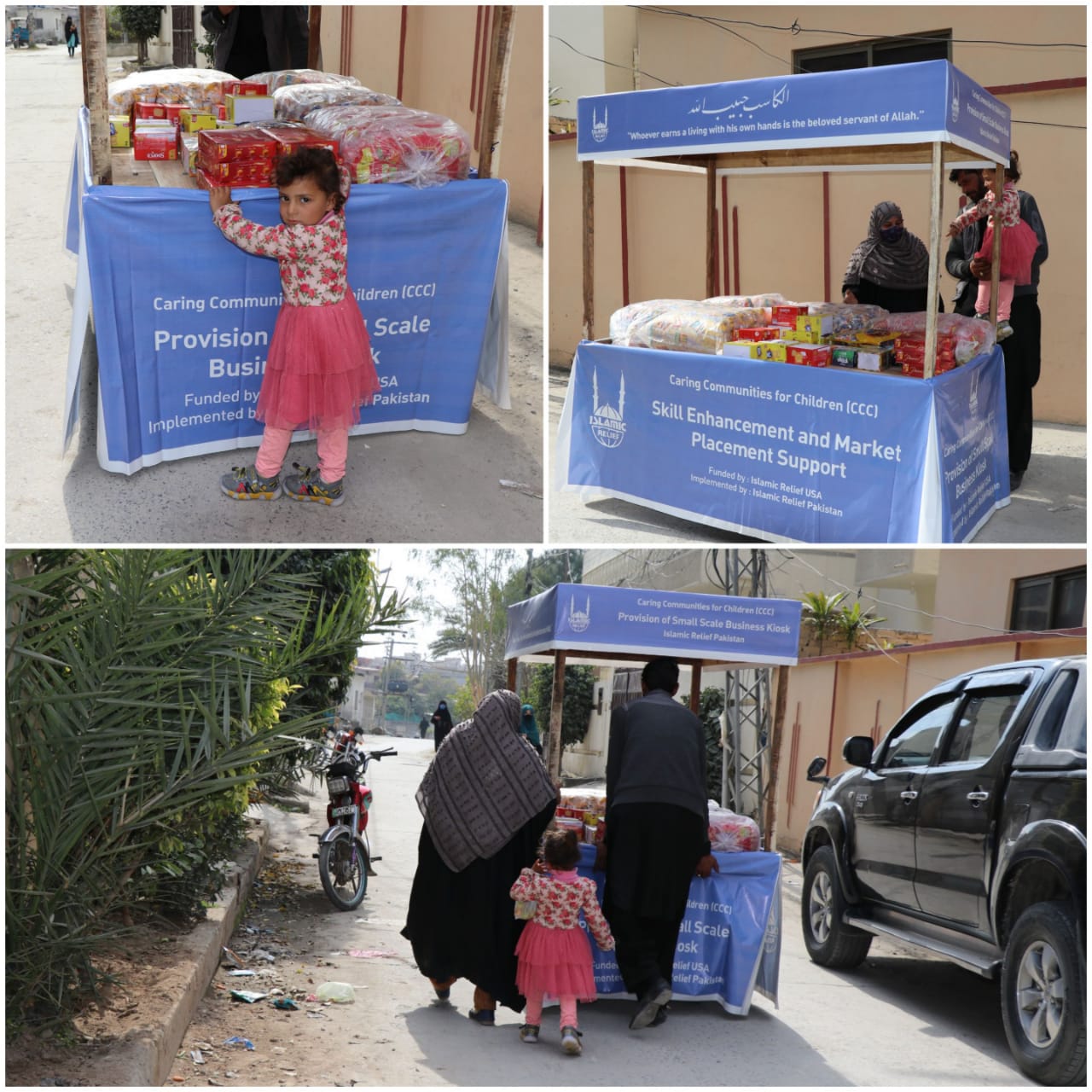
Market Placement, Asset Transfer & Incubation for Persons with Disability (PWD)
Project introduction: The “Market Placement, Asset Transfer & Incubation for Persons with Disability (PWD)” project, funded by Islamic Relief-USA, implemented by Islamic Relief Pakistan and Global Educational, Economic and Social Empowerment (GEESE), aimed to develop employable skills among persons with disabilities in Dhok Hassu, Rawalpindi. The project provided vocational training to 15 persons with disabilities, followed by asset transfer and incubation support. This initiative enabled the beneficiaries to start their own businesses, Improving their socio-economic status and promoting inclusive economic empowerment. The project’s focus on skills development, asset transfer, and incubation helped break down barriers and challenge negative attitudes towards disability, promoting a more inclusive and supportive community. By equipping persons with disabilities with employable skills and assets, the project contributed to a more equitable and sustainable society. Activities: - Identified and selected beneficiaries - Provided vocational training in various trades (industrial tailoring/stitching, embroidery, beautician services, cooking and baking, electrician services, mobile repairing, small-scale business management, basic financial literacy, enterprise development) - Transferred assets (cloth shops, beautician kits, popcorn and chips shops, tuck shops, mobile shops, chicken shops, tailoring shops) - Conducted incubation and asset management sessions (asset management, business skills development, entrepreneurship) - Placed beneficiaries in the market to start their own businesses
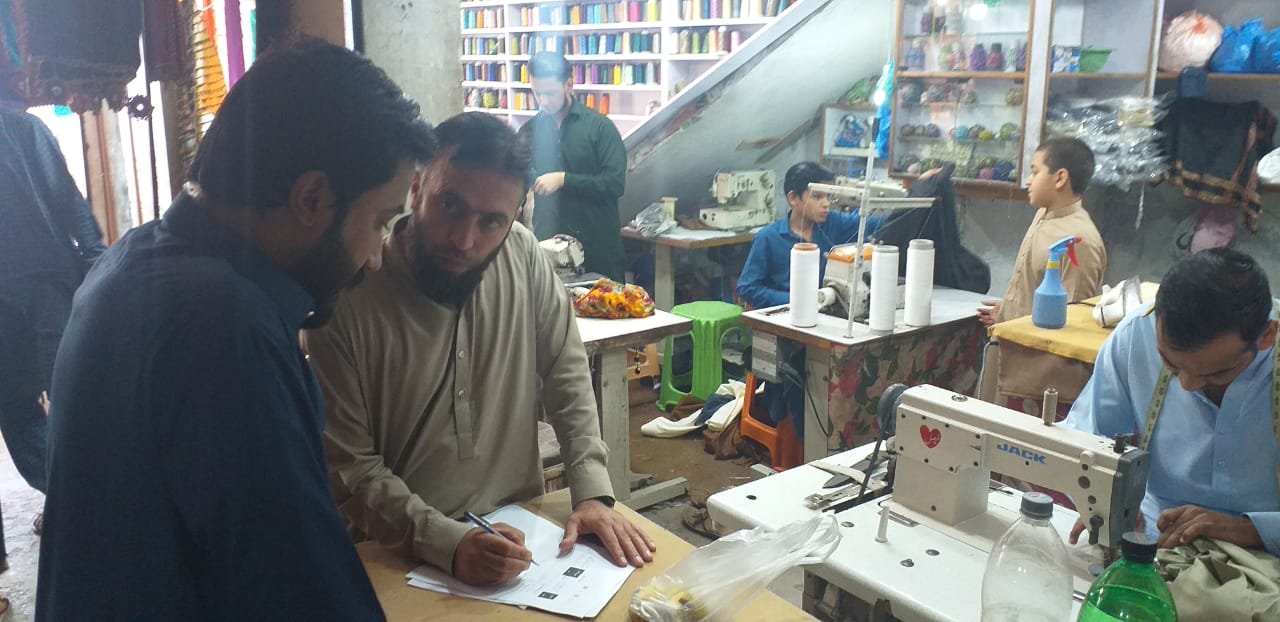
The Protection of Children at Risk (POCAR)
Project Introduction: The Protection of Children at Risk (POCAR) project, implemented by Islamic Relief Pakistan (IRP), in partnership with GEESE, aims to create a supportive environment for street children and those involved in child labor in Dhok Mustakeem, Rawalpindi. To enhance livelihood opportunities for youth, men, and women from families of street children, IRP partnered with Global Educational Economic and Social Empowerment (GEESE) to conduct a Livelihood Investment Plans (LIPs) scoping study with business development planning. This initiative targets 133 households in Dhok Mustakeem, focusing on equipping them with employable skills and competencies to pursue decent employment and entrepreneurship. By doing so, the project seeks to contribute to improved socio-economic status and a brighter future for these children and their families. Activities: - Conducted Livelihood Investment Plans (LIPs) for 133 households - Conducted market assessments to identify employment and self-employment opportunities - Identified training sources and institutes for skills development - Assessed barriers for vocational skills training graduates to gain employment - Identified job-matching platforms and developed linkages with industries/entrepreneurs - Provided skills training (e.g., technical, enterprise development, tailoring, beautician) - Conducted focus group discussions and key informant interviews with stakeholders - Developed business development plans and strategies - Identified potential partners and resources for future sustainability
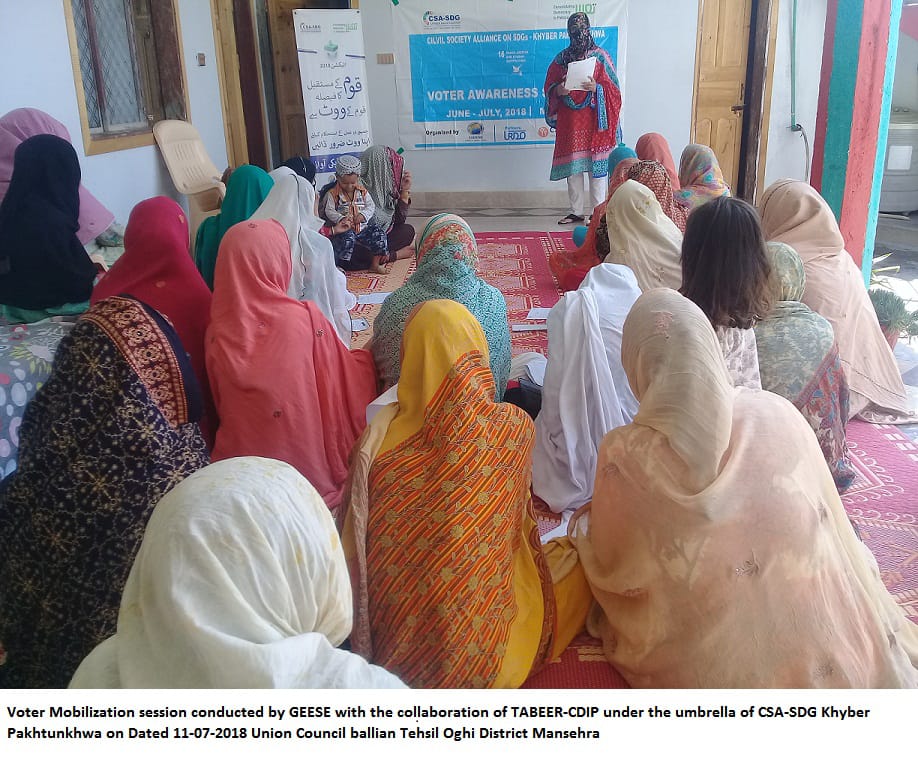
SELP: Women NIC and Voter Registration Campaign Project
Project Introduction: The “SELP: Women NIC and Voter Registration Campaign” project, funded by TDEA, was implemented by GEESE to reduce the male-female voter deficit by registering unregistered women for NICs. The project was implemented in District Mansehra, with a focus on mobilizing communities and stakeholders. The project duration spanned from November 6, 2017, to May 31, 2018, with a total budget of PKR 5,541,544. During this period, GEESE successfully listed 17,235 women, exceeding the target of 14,746, and achieved significant progress in mobilizing communities and stakeholders. Through this project, GEESE enhanced the participation of women in the electoral process, contributing to a more inclusive and representative democracy. The project’s achievements underscore the importance of targeted initiatives in promoting gender equality and civic engagement. Project Activities: - Conducted community meetings to raise awareness about NIC registration - Organized corner meetings to engage with local communities - Engaged with local influential people, religious leaders, and political parties to support the project - Conducted door-to-door visits to identify and list unregistered women - Held public forums to sensitize communities about the importance of NIC registration - Coordinated with NADRA and ECP officials to ensure smooth project implementation - Facilitated women in obtaining their NICs through various project activities
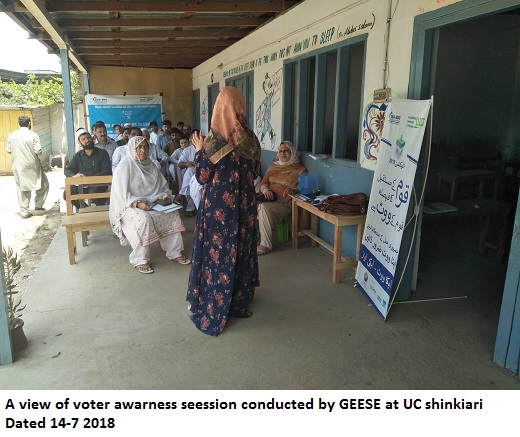
SELP: Women NIC and Voter Registration Campaign Project
Project Introduction: The “SELP: Women NIC and Voter Registration Campaign” project, funded by TDEA, was implemented by GEESE to reduce the male-female voter deficit by registering unregistered women for NICs. The project was implemented in the geographical area of District Battagram, with a focus on mobilizing communities and stakeholders. The project duration spanned from November 6, 2017, to May 31, 2018, with a total budget of PKR 5,541,544. During this period, GEESE successfully facilitated 2051 women in obtaining their NICs, despite challenges, and achieved significant progress in mobilizing communities and stakeholders. Through this project, GEESE enhanced the participation of women in the electoral process, contributing to a more inclusive and representative democracy. The project’s achievements underscore the importance of targeted initiatives in promoting gender equality and civic engagement. Project Activities: - Conducted community meetings to raise awareness about NIC registration. - Organized corner meetings and public forums to engage with local communities. - Engaged with local influential people, religious leaders, and political parties to support the project. - Conducted door-to-door visits to identify and list unregistered women. - Requested and arranged Mobile Registration Vans (MRVs) visits to facilitate NIC registration. - Coordinated with NADRA and ECP officials to ensure smooth project implementation. - Facilitated women in obtaining their NICs through various project activities.
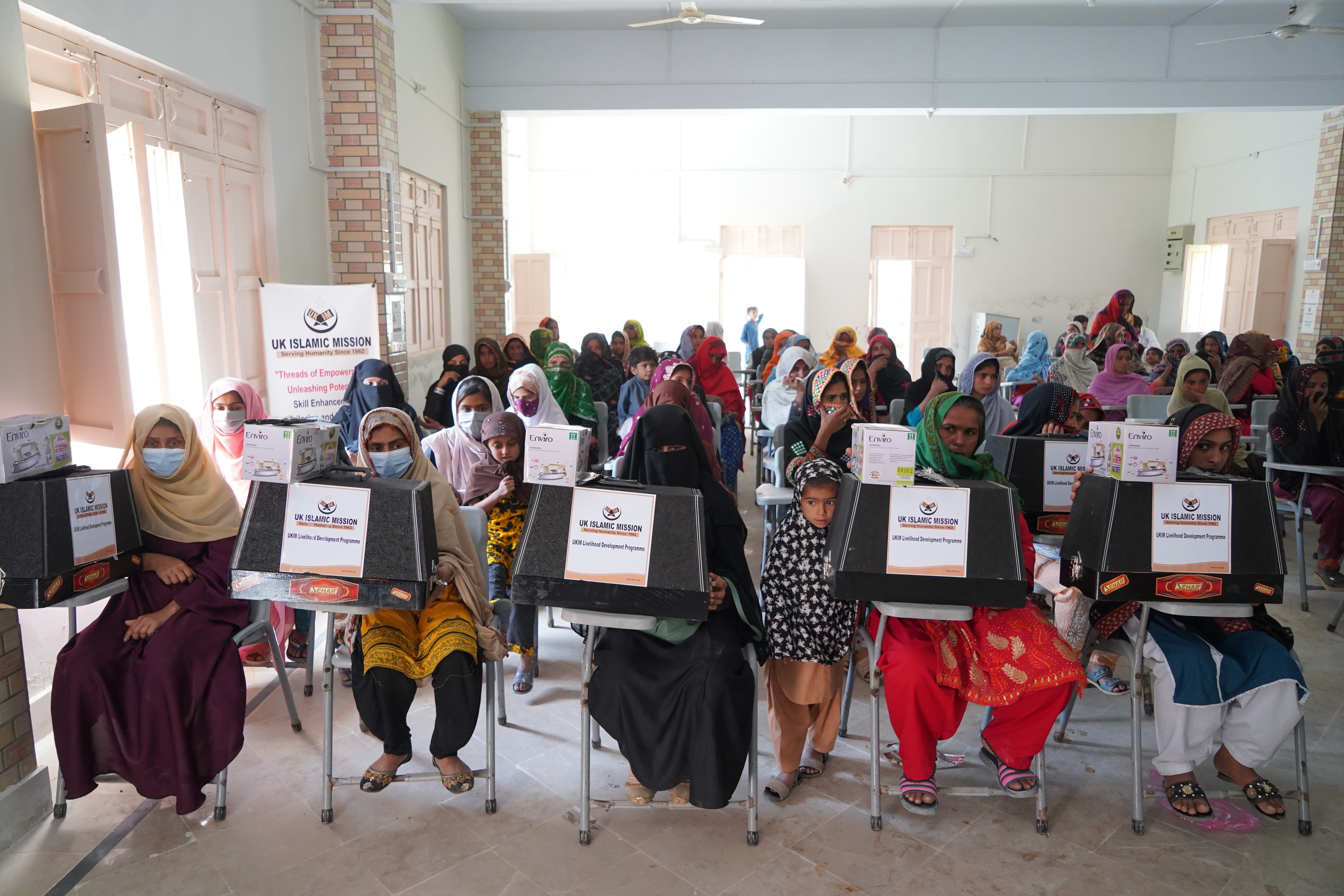
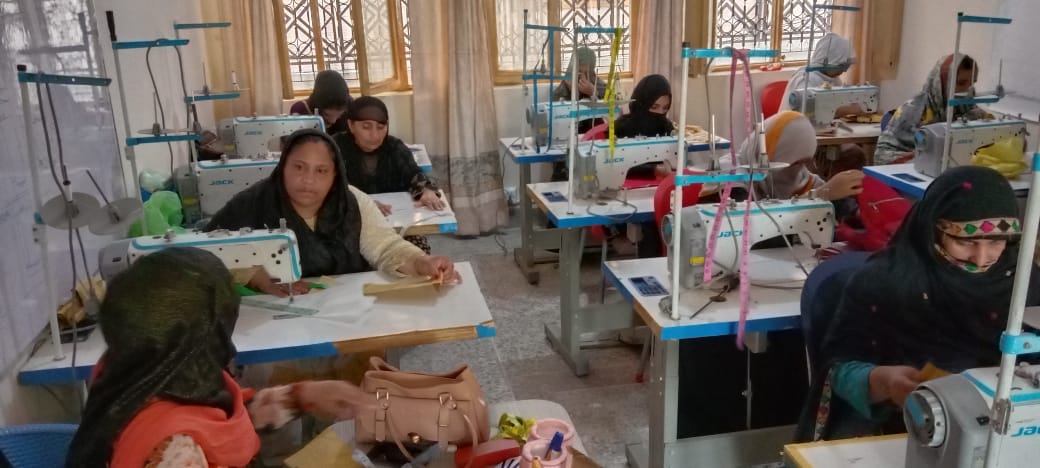
Skill Enhancement of 60 Women on Tailoring and Distribution of Sewing Machines among Trained Beneficiaries for Market Placement in Flood Affected District Dadu, Sindh, Pakistan.
Project Introduction: Funded by UK Islamic Mission (UKIM), this project was implemented by GEESE in the flood-affected district of Dadu, Sindh, Pakistan. The project aimed to empower vulnerable women, including widows, women with disabilities, and unemployed female youth, by providing them with employable skills in tailoring and stitching. The project was implemented in village Johi, district Dadu, specifically targeting women from rural poverty settings. The one-month project, which ran from March 15, 2024, to April 13, 2024, provided vocational training to 60 selected women, followed by the distribution of sewing machines and kits to enable them to start their own businesses or secure waged employment. The project established two training centers in central locations, equipped with sewing machines and other necessary facilities, and trained the participants in tailoring and enterprise development. Activities: • Identified and selected 60 women beneficiaries • Established two training centers • Provided vocational training on tailoring and stitching • Conducted enterprise development training • Distributed sewing machines and kits to trained beneficiaries • Awarded course completion certificates to beneficiaries • Monitored and evaluated project progress
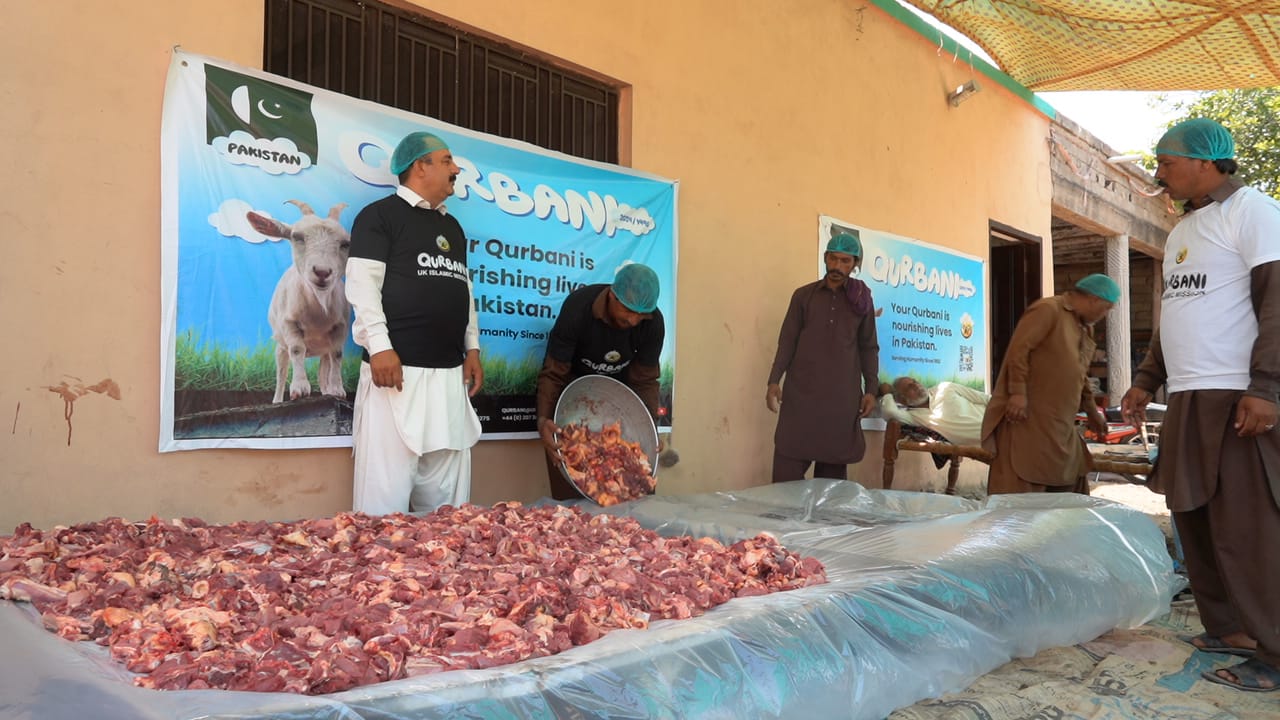
Qurbani 2024; Eid-ul-Adha Blessings, Qurbani Meat Distribution Drive For Underprivileged Communities In Pakistan
Introduction: The “Qurbani Project 2024,; Eid-ul-Adha Blessings, Qurbani Meat Distribution Drive For Underprivileged Communities In Pakistan”, funded by UK Islamic Mission (UKIM) and implemented by GEESE, was a humanitarian initiative that aimed to provide fresh sacrificial meat to marginalized communities in Pakistan during Eid ul-Adha. The project was implemented for a duration of one month, from May 25, 2024, to June 25, 2024, across seven districts in Pakistan, including Attock, Mansehra, Abbottabad, Peshawar, Swat, Quetta, and Loralai. This project included the procurement and slaughter of 143 sacrificial animals (80 cows and 63 goats), which were then distributed to 1933 families (13073 individuals) in the targeted areas. The Qurbani Project 2024 aimed to alleviate food insecurity, promote community solidarity, and empower vulnerable communities, particularly women, children, the elderly, disabled individuals, widows, and refugees, by providing them with access to nutritious food and enabling them to celebrate Eid ul-Adha with dignity. Activities: 1. Conducted needs assessment and identified beneficiary families. 2. Procured 80 cows and 63 goats for Qurbani. 3. Slaughtered animals according to Sharia guidelines. 4. Packaged and distributed meat to 1933 families (13073 individuals). 5. Ensured transparent and accountable distribution system. 6. Coordinated with local authorities and communities for smooth implementation.
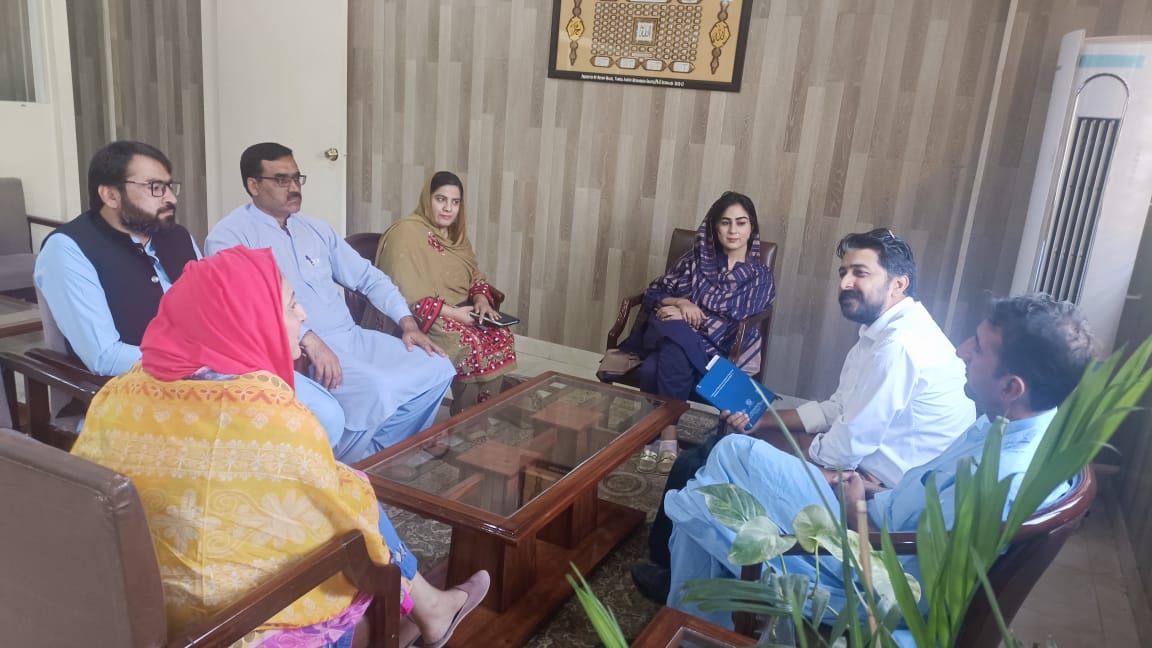
The Women Aligned for Sustainable Youth-Centred Livelihood Action (WASYLA) project
Project Introduction: The Women Aligned for Sustainable Youth-Centred Livelihood Action (WASYLA) project, implemented by Islamic Relief Pakistan (IRP) in partnership with Global Educational Economic and Social Empowerment (GEESE), aimed to uplift vulnerable groups, including ultra-poor women, people with disabilities, and unemployed youth, in semi-urban areas of Islamabad, Rawalpindi, and Quetta. The project used the Poverty Graduation Approach to enhance income generation, skills, and employability through livelihood opportunities and skill development. With a focus on inclusion, social cohesion, and resilience to climate change, the project targeted 7,200 households and conducted pre-feasibility studies and developed inclusive business plans for production facilities/opportunities. The project sought to create shared value for businesses and the local community, promoting economic development and employment opportunities in the target areas. Project Activities: - Conducted market assessment and scoping study to identify employment and self-employment opportunities - Developed Livelihood Investment Plans (LIPs) for 743 households - Conducted semi-structured interviews with 743 households and key stakeholders - Held Focus Group Discussions (FGDs) with business and vocational training associations - Conducted one-on-one interviews with identified market actors and training service providers - Developed inclusive business plans for production facilities/opportunities - Conducted technical assessments, market analysis, financial projections, and risk assessments - Identified potential production facilities/opportunities in three districts (Islamabad, Rawalpindi, and Quetta) - Engaged local stakeholders, including government officials, private sector representatives, and civil society organizations
The Caring Communities for Children (CCC) project
Project Introduction: The Caring Communities for Children (CCC) project implemented by Islamic Relief Pakistan (IRP) in partnership with Global Educational Economic and Social Empowerment (GEESE), aimed to create a supportive environment for the development of children in Dhok Hassu, Rawalpindi. The project targeted 25 households (approximately 175 individuals) from poor and marginalized families and conducted a market assessment and scoping study with business development planning. This initiative sought to enhance livelihood opportunities for youth, men, and women, equipping them with employable skills and competencies to pursue decent employment and entrepreneurship, ultimately contributing to improved socio-economic status and a brighter future for these children and their families. Project Activities: - Conducted market assessment to identify employment and self-employment opportunities - Conducted scoping study to understand livelihood-related dynamics in Dhok Hassu - Collected data through semi-structured interviews with households, community key informants, training and business development service providers, Ustaads, and trade union representatives - Developed toolkit for Livelihood Investment Plans (LIPs) - Assessed training needs of beneficiaries, including enterprise development, technical training, and job acquisition skills - Developed business development plans and strategies - Engaged with stakeholders, including trade unions, market actors, and training service providers - Identified potential partners and resources for future sustainability
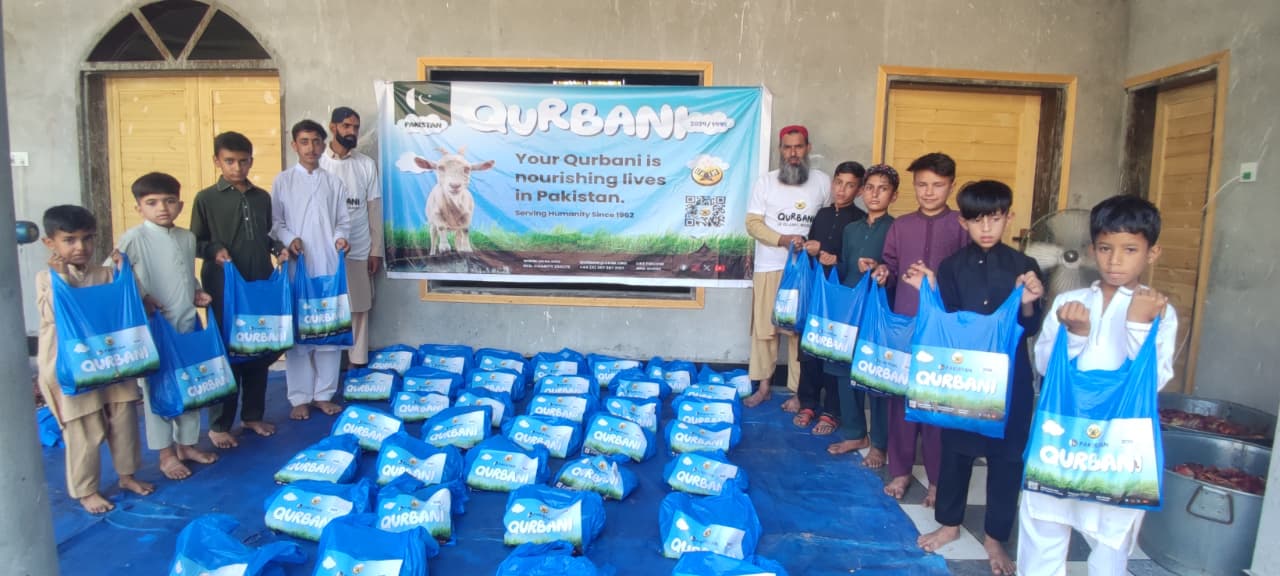
Eid Ul Adha Qurbani Project 2025
Eid Ul Adha Qurbani Project, generously funded by UKIM, was implemented by GEESE, Pakistan. This project aimed to provide sacrificial meat to vulnerable communities across various districts in Pakistan, fulfilling the religious obligation of Qurbani while also supporting those in need. The project was implemented in multiple districts, including Attock, Rawalpindi, Wah Cantt, Mansehra, Abbottabad, Peshawar, Mirpur AJK, Mirpur Khas, Karachi, Hyderabad, and Swat, over a duration of one month, from May 16, 2025, to June 06, 2025. During this period, GEESE worked tirelessly to ensure the procurement, transportation, and distribution of sacrificial animals, adhering to the principles of compassion, dignity, and respect for the beneficiaries. Through this project, GEESE distributed cows and goats to deserving families, providing them with fresh meat and nutritional support. The project not only fulfilled a religious duty but also brought joy and relief to thousands of individuals, particularly during the festive occasion of Eid ul Adha. With a total approved budget of £47,800, the project reached approximately 25,900 beneficiaries from about 3,700 households, making a significant impact on the lives of those served. Activities: • Procured cows and goats • Transported animals to distribution points • Slaughtered animals according to Islamic principles • Distributed meat to vulnerable communities • Identified beneficiaries • Coordinated logistics and management • Monitored distribution process
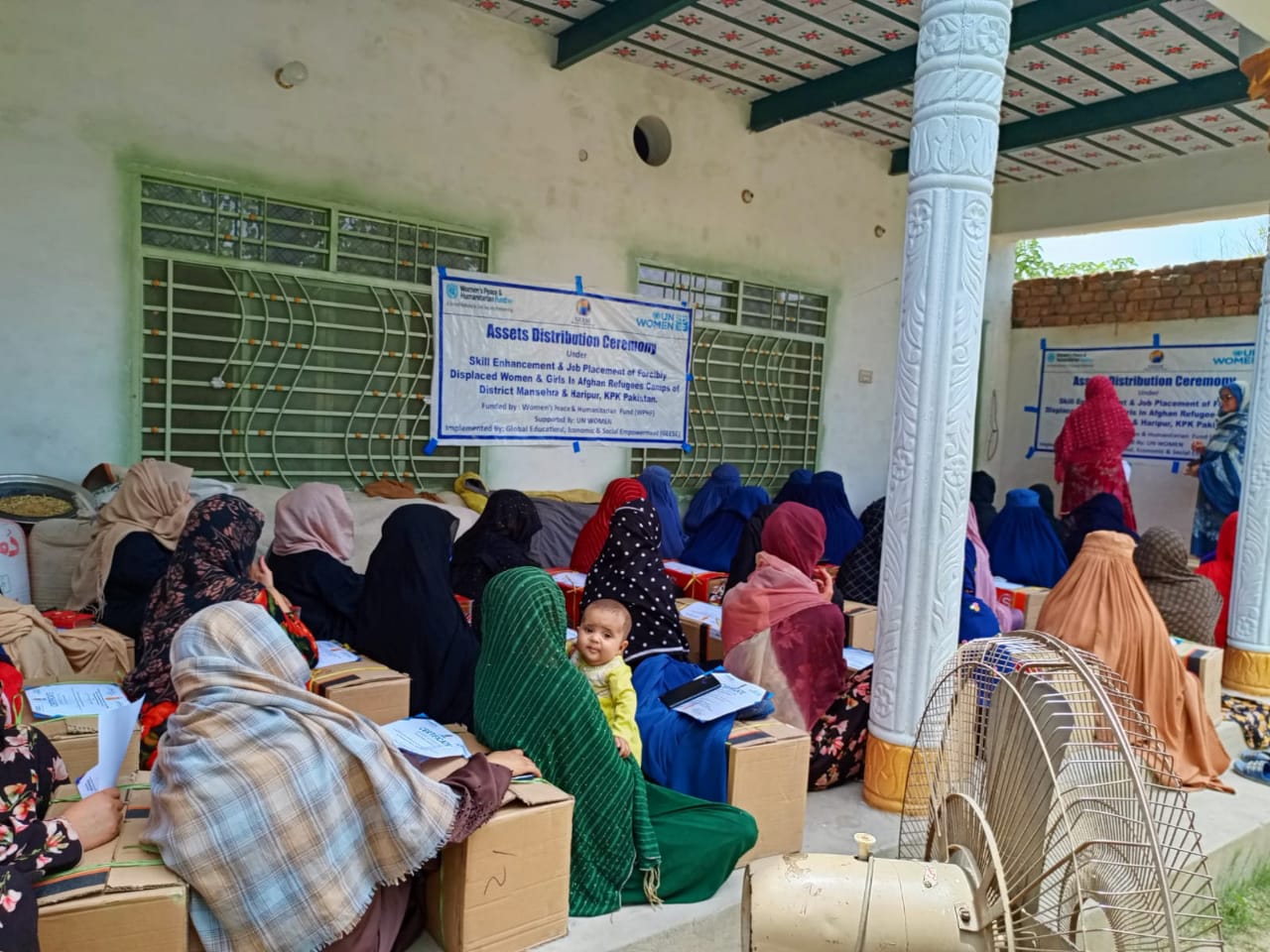
Skill Enhancement and Job Placement of Forcibly Displaced Women and Girls in Afghan Refugee Camps of District Mansehra and Haripur, KP Pakistan
The project, funded by UN Women and implemented by GEESE, enhanced the livelihoods and empowerment of 560 Afghan refugee women and girls in Mansehra and Haripur through skill development, job placement, and leadership training. Over 22 months, the initiative established 9 training centers, provided vocational and financial literacy courses, supported entrepreneurship, and linked women with local businesses. Women formed 18 Common Interest Groups, participated in exhibitions, and engaged in peacebuilding and social cohesion activities. Additionally, 70 women leaders from 10 CSOs were trained, enabling long-term advocacy for Afghan refugee women. The project significantly improved women’s economic independence, community resilience, and their role in decision-making. . Major Activities: i. Conducted Training Need Assessments (TNAs) in 6 camps ii. Developed Livelihood Investment Plans (LIPs) for 560 women iii. Established 9 training centers in Mansehra & Haripur iv. Provided 3-month vocational training (tailoring, embroidery, beautician) v. Formed 18 Common Interest Groups (CIGs) vi. Organized 2 exhibitions/Meena Bazaars for product showcasing vii. Trained 560 women in peacebuilding & social cohesion viii. Strengthened 10 local CSOs with 70 women leaders trained
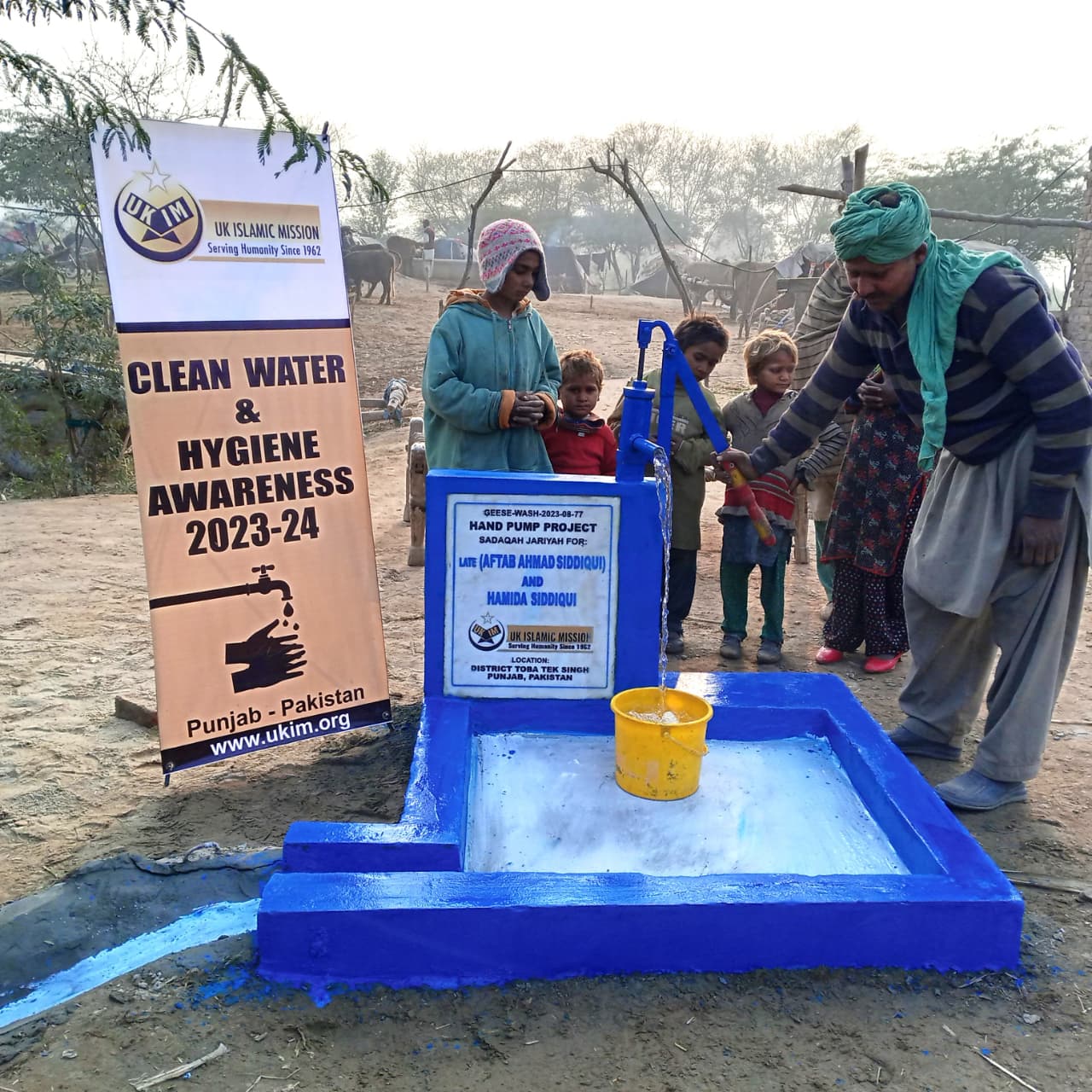
Provision of Clean Water through Installation of 100 hand pumps in District Toba Tek Singh
One hundred hand pumps were installed in District Toba Tek Singh, central Punjab, specifically in Union Council 26 (ج-ب) and villages 397 and 398. Toba Tek Singh was formerly part of Faisalabad, becoming a separate district in 1982. The project aimed to: assess the drinking water needs of vulnerable communities in the targeted villages; identify 100 beneficiary households; and construct 100 hand pumps at their homes. Villagers in Chak #397 and 398 previously walked long distances daily to collect water for themselves and their livestock. The hand pumps address this need by providing access to fresh water, assessed through needs assessment, beneficiary identification and installation of hand pumps. The project outcomes were the assessment of immediate drinking water needs, identification of 100 beneficiaries for hand pump installation, and provision of clean drinking water to those families. To promote environmental sustainability, the beneficiaries were encouraged to plant 3-5 trees per hand pump, with plans to implement this during the next spring planting season. Hand pumps were installed in suitable locations and in an organized manner to minimize environmental disturbance.
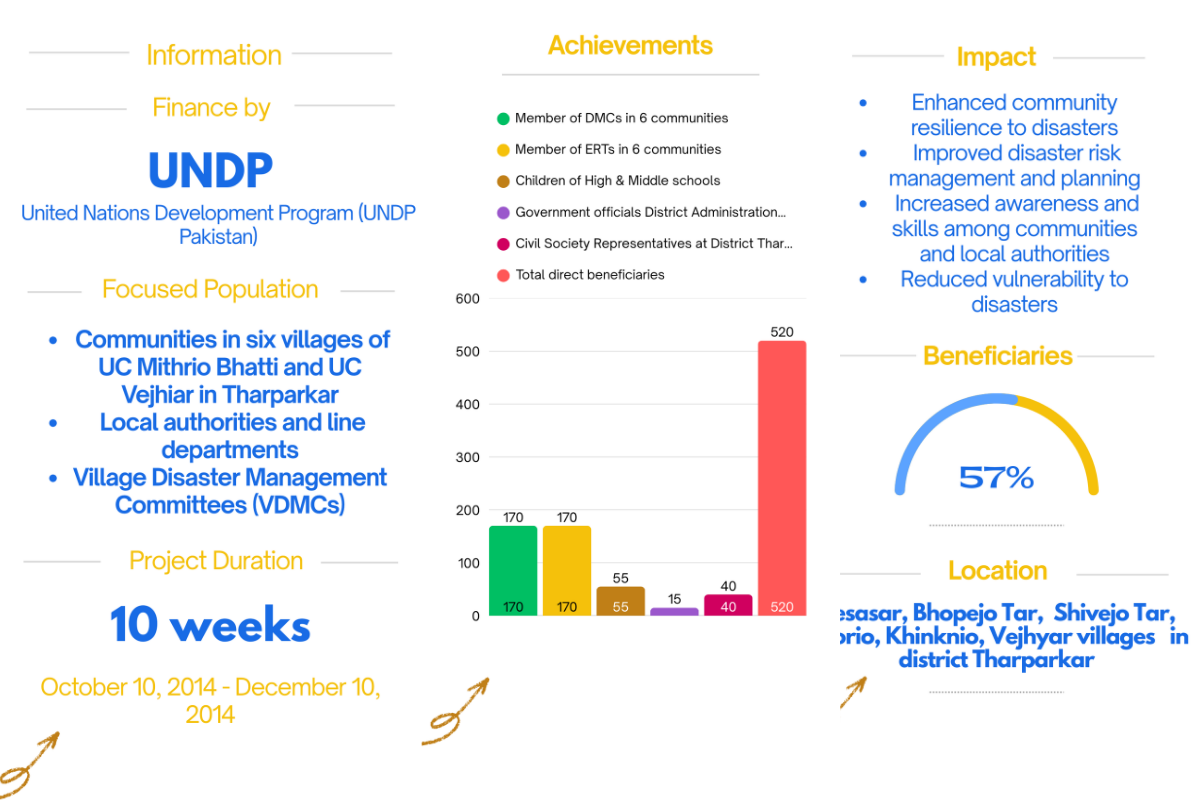
SUPPORTING COMMUNITY RESILIENCE (SCORE)
UNDP Pakistan's SCORE project, with local partners, enhances disaster resilience in 30 KP, Baluchistan, and Sindh communities. It shifts from external aid to community-led action through skills training, local collaboration, and mitigation plans. In Tharparkar, with UNDP support, GEESE-CRI's ICBDRM project focuses on six high-risk villages in UC Mithrio Bhatti and UC Vejhiar. Government representatives and GEESE-CRI staff received CBDRM training, leading to inclusive VDMCs prioritizing vulnerable groups. VDMCs were trained in risk assessment, using tools to identify drought and animal disease as key hazards. Collaborative DRR plans and vulnerability surveys were created. The project highlighted Tharparkar's need for structural mitigation due to climate change's impact on water resources and livelihoods. Restoring livelihoods via vocational training, livestock management, and improved health through initiatives like kitchen gardening is crucial for resilience.


